
Recent articles
Popular Articles
Sunflower Seeds: Full of Health Benefits
The Benefits of Sunflower Seeds: Why People Love Them and What Makes Them Valuable
In China, many people love sunflower seeds. They are often served at festive meals, during traditional holidays, when gathering with relatives and friends, and while watching movies.
Sunflower seeds are not only delicious, but they also contain a wide range of nutrients, which is why they have long been a popular part of many people’s diets.
What are sunflower seeds?
Sunflower seeds are also called sunflower kernels or sunflower seeds. They are the seeds of a plant in the Asteraceae family.
North America is considered the birthplace of the sunflower. It was introduced to China around the middle of the Ming Dynasty, after which it gradually spread to various regions of the country.
Today, sunflowers are grown in many countries around the world. Their seeds are used for food and to produce sunflower oil. In traditional Chinese medicine, certain other parts of the plant are also used.
Nutritional value of sunflower seeds
Sunflower seeds are highly nutritious. In 100 g of the edible portion contains approximately:
- Protein — 23.9 g
- Fat — 49.9 g
- Carbohydrates — 13 g
- Dietary fiber — 6.1 g
- Vitamin A — 5 mcg
- Vitamin B1 — 0.36 mg
- Vitamin B2 — 0.20 mg
- Niacin (vitamin B3) — 4.8 mg
- Vitamin E — 34.53 mg
In addition, the seeds contain various minerals, including calcium, potassium, magnesium, iron, zinc, and selenium.
However, the nutritional value may vary depending on the sunflower variety, growing conditions, degree of ripeness, and how the seeds are processed.
Unsaturated fatty acids
One of the key components of sunflower seeds is unsaturated fatty acids. In particular, they contain a significant amount of linoleic acid, which is one of the essential fatty acids for humans.
Unsaturated fats play a role in normal cellular function and the body’s metabolic processes. Therefore, sunflower seeds can be part of a varied and balanced diet.
However, seeds are high in calories, so it's important to eat them in moderation.
Vitamin E and Its Antioxidant Properties
Sunflower seeds are a good source of vitamin E. This fat-soluble vitamin acts as an antioxidant and helps protect the body's cells from oxidative stress.
Vitamin E also plays a role in maintaining the normal condition of cell membranes and other physiological processes.
That is precisely why sunflower seeds are often considered one of the foods that can supplement the diet with natural sources of vitamin E.
Seeds and Skin Health
Sunflower seeds contain vitamin E and other nutrients necessary for the body to function properly.
Some components of seeds play a role in metabolic processes related to the condition of the skin and hair. However, seeds should not be considered a standalone treatment for skin problems.
A nutritious diet, adequate fluid intake, and a balanced lifestyle are far more important for maintaining healthy skin.
B vitamins
Sunflower seeds contain B vitamins, including niacin.
Niacin (vitamin B3) It plays a role in energy metabolism and the normal functioning of the nervous system. Getting enough B vitamins is important for maintaining normal brain and nervous system function.
Therefore, seeds can be one source of these nutrients in your daily diet.
Sunflower Seeds in Traditional Chinese Culture
In traditional Chinese medicine, sunflower seeds and other parts of the sunflower have been used for various purposes.
According to traditional beliefs, sunflower seeds have a sweet taste and slightly cooling properties. Traditional recipes called for not only the seeds, but also the flower heads, petals, and stems of the plant.
However, traditional medical beliefs should not be directly equated with modern clinical evidence. If you have a medical condition or experience symptoms, you should consult a doctor.
What's the best way to eat sunflower seeds?
Sunflower seeds can be eaten in several ways:
- raw;
- fried;
- in baked goods and desserts;
- as an ingredient in various dishes;
- as a product for manufacturing sunflower oil.
Some people like to add seeds to porridge, salads, bread, and other dishes.
Sunflower seeds can also be combined with soybeans and used to make plant-based beverages.
Who should limit their seed intake?
Despite their nutritional value, sunflower seeds are quite high in calories due to their high fat content.
Therefore It is not recommended to consume them in large quantities, especially for people who need to monitor their calorie intake.
You should also avoid seeds that show signs of mold, have an unpleasant odor, taste rancid, or exhibit other signs of spoilage.
Bottom line
Sunflower seeds are a nutritious food that contains plant protein, unsaturated fatty acids, vitamin E, B vitamins, dietary fiber, and various minerals.
They can be eaten raw or roasted, used in baked goods and other dishes, and processed to produce sunflower oil.
The key is to choose high-quality seeds and consume them in moderation. Like any other food, seeds are best viewed as part of a varied and balanced diet.
Previous article:
next article:
Related articles:
 What nutrients are found in sunflower seeds? A full breakdown of their health benefits
 12 health benefits of sunflower seeds: are sunflower seeds good for your health?
Sunflower seeds benefits and harm to the health of the body
12 health benefits of sunflower seeds: are sunflower seeds good for your health?
Sunflower seeds benefits and harm to the health of the body
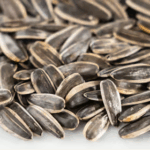 Sunflower seeds: nutrition, health benefits and best ways to eat them
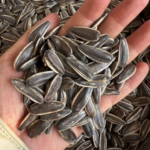 Benefits of sunflower seeds for human health
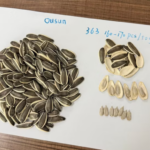 Sunflower seeds calories, health benefits and whether you can eat pregnant women
 Raw sunflower seeds: benefits and health properties
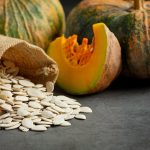 The benefits of pumpkin seeds: the top ten benefits for a healthy body
 Health benefits of pumpkin seeds: nutrients, effects and how to eat them properly
 Health benefits of pumpkin seeds: properties, effect on the body and recommendations