
Recent articles
Popular Articles
12 health benefits of sunflower seeds: are sunflower seeds good for your health?
Sunflower fields are not only a dream for photographers and a source of inspiration for artists. Each sunflower hides a treasure trove of seeds with incredible health benefits. Often added to salads or consumed as a crunchy snack, these tiny seeds are nature's answer to a host of health problems. Join us as we explore the world of sunflower seeds and learn why these golden jewels are making a splash in the health world - their benefits go far beyond their wonderful flavor!
Nutritional value of sunflower seeds
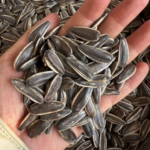
Sunflower seeds are small grains located inside the large head of a nutrient-rich plant. These seeds have a high energy value and contain a mixture of proteins, healthy fats and dietary fiber. They contain a whole complex of vitamins and minerals. Seeds are especially rich in vitamin E, an antioxidant essential for healthy skin and immune system. The magnesium they contain supports bone health and promotes energy production. Also present in the seeds is selenium, which helps protect cells from damage.
In addition, the seeds contain various B vitamins and vitamin K. The presence of effective antioxidants enhances their benefits by protecting the body from oxidative stress and inflammation. All in all, sunflower seeds are a nutritious product that is rich in the elements needed to maintain overall health.
12 beneficial properties of sunflower seeds
1. Improving heart health
Sunflower seeds are rich in unsaturated fats, especially mono- and polyunsaturated fats. These fats help reduce the level of «bad» cholesterol (LDL) in the blood, which reduces the risk of cardiovascular disease. Vitamin E protects cells from damage and supports heart function, while magnesium helps normalize blood pressure.
2. Reducing the risk of diabetes
The magnesium found in seeds helps regulate insulin levels and stabilize blood sugar. Foods rich in magnesium reduce the risk of developing type 2 diabetes. The dietary fiber in seeds also promotes slower sugar absorption, helping to keep glucose levels in check.
3. Reducing inflammation
Chronic inflammation has been linked to heart disease, cancer, and autoimmune disorders. Vitamin E and antioxidants in the seeds fight oxidative stress and reduce inflammation. Flavonoids and phytochemicals in them additionally have anti-inflammatory effects.
4. Supporting mental health and mood
Sunflower seeds contain choline, an important substance for memory, mood and brain function. They also contain tryptophan, an amino acid that converts into serotonin, the «happy hormone.» This helps with depression and anxiety.
5. Protection of the liver
Sunflower seeds are a source of silymarin, a compound known for its liver-protecting properties. Although it is more commonly associated with milk thistle, sunflower seeds also promote liver health.
6. Reducing the risk of cancer
Selenium in the seeds plays a role in DNA repair and synthesis, which helps reduce the chances of mutations and cancer development. Vitamin E and antioxidants protect cells from cell damage and also reduce the risk of cancer.
7. Digestive system support
Due to their high fiber content, sunflower seeds promote normal digestion, prevent constipation and support the intestinal microflora. This helps reduce the risk of irritable bowel syndrome and diverticulitis.
8. Supporting hormonal balance
Seeds are rich in healthy fats and nutrients that support hormonal balance. They are especially beneficial for women during their menstrual cycle, helping to reduce mood swings and cramps.
9. Strengthening the immune system
Selenium and zinc found in sunflower seeds support immunity and increase the body's resistance to infections.
10. Improvement of skin and hair condition
Vitamin E, biotin and fatty acids in the seeds nourish the skin and hair. Regular consumption helps to make the skin more radiant, reduce dryness and strengthen the hair.
11. Reducing fatigue
Sunflower seeds are rich in B vitamins, especially pantothenic acid (B5), which is involved in energy production. This helps to fight fatigue and keep you active throughout the day.
12. Bone Strengthening
Seeds contain magnesium and phosphorus, key elements for bone strength. Magnesium works together with calcium, while phosphorus is involved in bone mineralization.
Precautions
Allergies
Some people may be allergic to sunflower seeds. If you are trying them for the first time or have a nut or seed allergy, be careful.
Calories
Seeds are a high calorie product due to their fat content. Although the fats in them are healthy, excessive consumption can lead to weight gain.
Salted seeds
Many store-bought options are high in salt, which increases sodium intake and can cause hypertension. It is better to choose unsalted seeds.
Digestive problems
Some people find it difficult to digest seeds with peels. It is better to use peeled ones.
Contamination and mold
If not stored properly, seeds can become moldy, releasing aflatoxins, dangerous toxins. Store them in a dry place and check for freshness.
Phytic acid
Seeds contain phytic acid, which can bind minerals (zinc, calcium, magnesium) and interfere with their absorption. With a balanced diet, this is not a problem.
Choking risk
Whole seeds can be a choking hazard for small children. Make sure children eat them under supervision.
Conclusion
Sunflower seeds are not just a delicious crunchy product. They are a real source of nutrients and health benefits. So the next time you see a sunflower or taste its seeds, remember: nature gives us health one seed at a time.
Previous article:
next article:
Related articles:
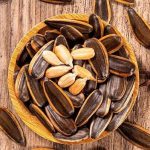 The top 5 health benefits of sunflower seeds and who should eat them with caution
 What are sunflower seeds good for in women? Full breakdown of nutritional value, effects and rules of use
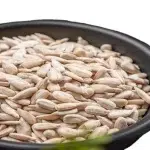 Superior sunflower seed kernels - high quality, perfect product for your business, wholesale and retail
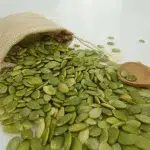 GWS pumpkin kernels are high quality and affordable seeds for snacking and bulk, perfect for your business
 Sunflower seeds benefits and harm to the health of the body
 What nutrients are found in sunflower seeds? A full breakdown of their health benefits
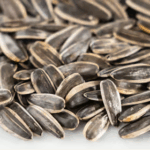 Sunflower seeds: nutrition, health benefits and best ways to eat them
 Benefits of sunflower seeds for human health
 Sunflower seeds calories, health benefits and whether you can eat pregnant women
 Raw sunflower seeds: benefits and health properties