
Recent articles
Popular Articles
What nutrients are found in sunflower seeds? A full breakdown of their health benefits
The sunflower (Helianthus annuus L.), also known as the «flower of the sun,» is an annual herbaceous plant believed to have originated in South America. Cultivated varieties were brought to Europe by the Spanish from North America in 1510 and were initially used as ornamental plants. At the end of the 19th century, the sunflower made its way back to North America—this time from Russia. It is currently widely cultivated around the world, as well as in Xinjiang, Inner Mongolia, and the Zhangjiakou area in China.
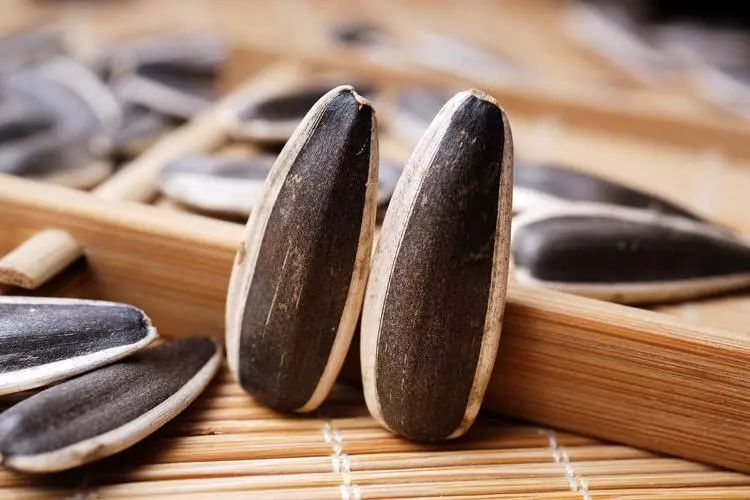
Seeds Sunflower seeds are called "seemki.". They are usually roasted and eaten as a popular snack, and are also used to produce sunflower oil. The oil cake after oil pressing is used as animal feed.
Sunflower oil
Sunflower oil is the fourth most consumed vegetable oil in the world (after palm oil, soybean oil and rapeseed oil). Its global production is stable at 10-12 million tons per year. Sunflower oil is the most important food product in European countries. In regions such as Taiwan, Hong Kong, Japan and South Korea, the share of sunflower oil consumption reaches 70%.
Nutritional value of sunflower seeds
Seeds are a nutritious product rich in many useful substances.
What nutrients do seeds contain?
- Protein - up to 30%, which is comparable to the protein content of soy, lean meat, eggs and milk.
- Useful fats - especially monounsaturated fatty acids such as oleic acid. They help maintain heart health, lower cholesterol and provide energy.
- Fiber - improves the digestive system, prevents constipation and maintains a feeling of satiety.
- Vitamins - E, B groups (niacin, riboflavin, folic acid), and vitamin D. Vitamin E is a powerful antioxidant that protects cells from oxidative stress.
- Minerals - magnesium, copper, manganese, zinc, phosphorus. They are important for bone health, immune system function and energy metabolism.
- Antioxidants - Flavonoids and polyphenols that neutralize free radicals and reduce cell damage.
Seeds can be eaten as a snack, added to dishes when cooking and baking. But due to the high calorie content, it is important to observe moderation.
The traditional medicine view
According to Chinese medicine, excessive consumption of seeds can «damage the fluids» (saliva), which manifests as «fever» or dry mouth. Therefore, despite the taste, it is better to eat seeds in reasonable amounts.
Health benefits of seeds
Sunflower seeds are an excellent source. Vitamin E, healthy fats, B vitamins, copper and antioxidants. Eating them may help reduce the risk of cancer and cardiovascular disease, support thyroid function, and reduce inflammation.
5 main health benefits
- Anti-cancer effect
Seeds are rich in antioxidants (vitamin E, flavonoids) that protect cells from free radical damage. They also contain conjugated linoleic acid (CLA), a fatty acid with anti-cancer properties. - Supporting heart health
Vitamin E reduces inflammation and cholesterol levels. Phytosterols in seeds prevent the absorption of «excess» cholesterol, thus protecting blood vessels from atherosclerosis. - Thyroid support
Seeds contain selenium and iodine, essential for normal thyroid function. 1 cup of seeds with husks provides about 35% of daily selenium. - Anti-inflammatory action
Regular consumption of the seeds has been linked to lower levels of C-reactive protein in the blood, a marker of chronic inflammation that increases the risk of diabetes, stroke, cancer and cardiovascular disease. - Prevention of muscle spasms
Due to their high magnesium and pantothenic acid content, seeds help reduce the risk of cramps and maintain normal muscle function.
FAQ: Frequently asked questions about seeds
Who are seeds contraindicated for?
Despite the benefits, some people should limit or avoid consumption:
- Patients with gallbladder disease - because of the high fat content.
- People with hypertension or kidney failure - because of the high salt content of roasted seeds.
- Allergists - reactions are possible, as with other nuts and seeds.
- People with GI diseases - fiber can cause bloating and diarrhea.
- Patients with gout or high uric acid levels - seeds contain purines.
- Overweight people - due to its high caloric content (about 584 kcal/100 g).
Recommendations for use
- Choose unsalted seeds.
- The norm is. 20-30 g per day (2-3 tablespoons of peeled seeds).
- Combine with foods rich in vitamin C (such as oranges) for better iron absorption.
Conclusion
Sunflower seeds are a tasty and healthy product rich in protein, healthy fats, vitamins and minerals. When consumed in moderation, they promote heart health, thyroid health, protect against inflammation and even reduce the risk of cancer. However, people with certain health conditions should consume them with caution.
Previous article:
next article:
Related articles:
 What are sunflower seeds good for in women? Full breakdown of nutritional value, effects and rules of use
 The benefits and harms of pumpkin seeds: what are the side effects and who should not eat pumpkin seeds
 The benefits and harms of sunflower seeds: a complete and in-depth analysis of the effects on the body in 2025
 12 health benefits of sunflower seeds: are sunflower seeds good for your health?
 Sunflower seeds: nutrition, health benefits and best ways to eat them
Sunflower seeds benefits and harm to the health of the body
Sunflower seeds: nutrition, health benefits and best ways to eat them
Sunflower seeds benefits and harm to the health of the body
 Benefits of sunflower seeds for human health
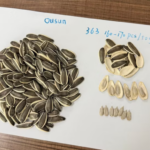 Sunflower seeds calories, health benefits and whether you can eat pregnant women
 Raw sunflower seeds: benefits and health properties
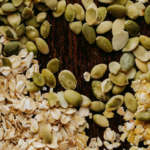 Health benefits of pumpkin seeds: nutrients, effects and how to eat them properly