
Recent articles
Popular Articles
Sunflower seeds also have selenium.
🌱 I. Benefits of sunflower seeds
- Rich in healthy fats 🥜 - contain monounsaturated fatty acids (e.g., oleic acid) and polyunsaturated fatty acids (e.g., linoleic acid, omega-6) that help lower «bad» cholesterol (LDL) and protect the cardiovascular system.
- Vitamins and minerals 🥦
• Vitamin E - A powerful antioxidant, protects cell membranes and slows aging (about 35 mg per 100 g).
• Magnesium - Supports the nervous and muscular systems (about 325 mg per 100 g).
• Selenium and zinc - strengthen immunity and improve metabolism. - Dietary fiber 🥗 - promote intestinal peristalsis and help with constipation (about 9 g fiber per 100 g).
- Vegetable protein 🌱 - contain about 20 % of protein, making them a great source of nutrients for vegetarians.
- Blood sugar regulation 🩸 - Have a low glycemic index (GI); moderate consumption helps stabilize sugar levels (important to watch for added sugar in flavored seeds).
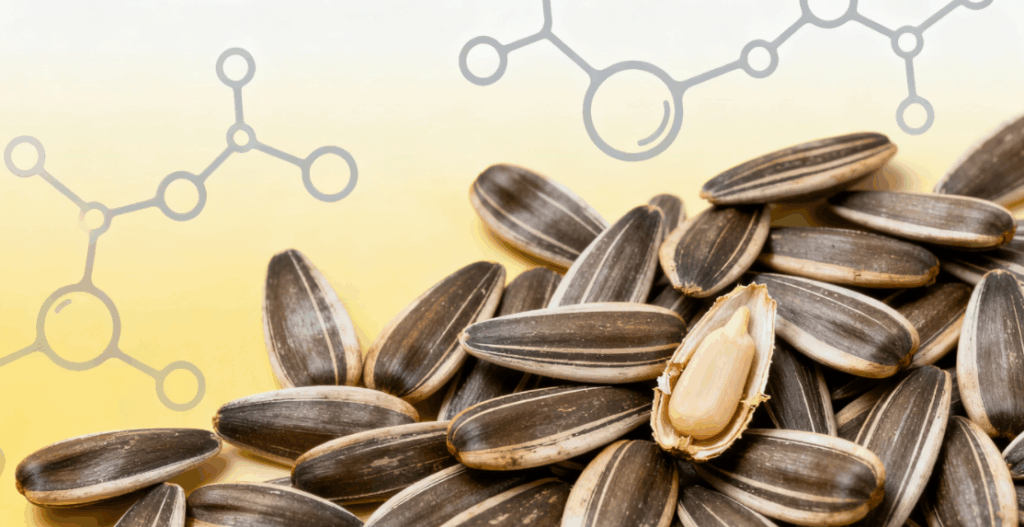
⚠️ II. Harms of sunflower seeds
- High calorie and fat content 🔥 - about 584 kcal per 100 g; excessive consumption can lead to weight gain and a strain on the metabolism.
- Excess omega-6 fatty acids - Omega-6 to omega-3 ratio of approximately 300 : 1; excess may contribute to inflammation and chronic disease (preferably combined with foods rich in omega-3, such as oily fish or flax seeds).
- Salt and additives 🧂 - Store-bought seeds are often high in salt, sugar, or flavorings; frequent consumption can raise blood pressure and harm the kidneys.
- Possible contamination with heavy metals 🚫 - plants can absorb cadmium and other metals from the soil, especially in industrial areas; accumulation in the body is possible with prolonged use.
- Allergies and digestive problems 🤢 - Some people may be allergic to the seeds; hard peels can damage the digestive tract, and poorly chewed seeds can cause abdominal bloating.
💡 III. Recommendations for healthy consumption
- Control the amount of 📏 - No more than 30 g per day (approximately 2 tablespoons).
- Choose natural 🥜 - no additives, no salt, no sugar.
- Combine with other products 🍽️ - consume along with omega-3 rich foods (walnuts, salmon, etc.) to balance fatty acids.
- Special groups 👩⚕️👨⚕️
- People who are overweight and have high blood pressure should strictly limit the amount.
- Allergy sufferers and people with sensitive GI tracts should be cautious.
🌻 Bottom line: Sunflower seeds are a nutritious and healthy snack, but it's important to consider the way they are processed, the amount and your individual body. When consumed in moderation, they protect the heart and slow aging; 🚫 excessive consumption can lead to inflammation and obesity. It's best to include them in a balanced diet, rather than using them as your only source of nutrients.
Previous article:
next article:
Related articles:
 The benefits and harms of pumpkin seeds: what are the side effects and who should not eat pumpkin seeds
 Daily consumption of sunflower seeds - benefit and harm. Are there any consequences for the body with prolonged intake?
 How many sunflower seeds can I eat per day?
 Can sunflower seeds and pumpkin seeds be eaten together?
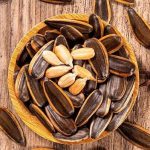 The top 5 health benefits of sunflower seeds and who should eat them with caution
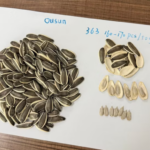 Sunflower seeds calories, health benefits and whether you can eat pregnant women
 Can you eat raw sunflower seeds: benefits and properties
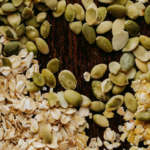 Health benefits of pumpkin seeds: nutrients, effects and how to eat them properly
 How many pumpkin seeds can be eaten per day: norms and recommendations for consumption
 Who should not eat pumpkin seeds: benefits and contraindications of pumpkin seeds