
Recent articles
Popular Articles
How many pumpkin seeds can be eaten per day: norms and recommendations for consumption
Pumpkin and pumpkin seeds: a popular product from Inner Mongolia of China
Pumpkin is available all year round in China, especially in Inner Mongolia. It is characterized by its soft, tender and crumbly texture. Pumpkin can be used as a garnish for main dishes and can also be easily turned into an ingredient for Western desserts. In recent years, this product has become increasingly popular among consumers.
In addition to the pumpkin pulp itself, pumpkin seeds are also actively used in food. They are rich in vitamins, minerals and other useful substances, so they are valued not only as a food product, but also as a natural supplement for maintaining health.
Why pumpkin seeds get so much attention
Despite their small size, pumpkin seeds have attracted a lot of interest in recent years. In addition to culinary recipes, many food supplements based on them have appeared on the market.
Many people consume seeds in their natural form and also use various supplements containing pumpkin seed extract. Therefore, several important questions arise:
- How many pumpkin seeds can I eat per day?
- What happens if you eat too much?
- How to consume them properly for maximum benefits?
In this article, we will answer all these questions in detail.
How many pumpkin seeds you can eat per day
Pumpkin seeds are among the foods that are high in fat. When consumed in moderation, they can provide significant health benefits.
However, it is worth remembering that seeds are quite caloric. Excessive consumption may cause discomfort in the stomach.
According to the recommendations of the American Heart Association, the optimal daily allowance is as follows About 1 ounce (about 28-30 grams) of pumpkin seeds per day.
In the modern rhythm of life, it is inconvenient for many people to weigh the product every time. Therefore, some people prefer to use food supplements based on pumpkin seeds that have passed international certification. In this case, it is important to follow the dosage recommendations and choose quality products.
When is the best time to eat pumpkin seeds: three optimal times
After breakfast.
It is best to consume seeds approximately within an hour of eating. This helps to reduce the load on the stomach and improves the absorption of nutrients.
In the afternoon.
Since Pumpkin seeds are high in fat, it is recommended to consume them in the afternoon after the main meal. This will allow the body to utilize the energy gained and reduce the risk of weight gain.
In the evening or before bed
Pumpkin seeds are rich tryptophan and zinc. These substances are involved in the production of serotonin and melatonin, which can help improve sleep and maintain normal physiological functions of the body.
Main benefits of pumpkin seeds
Source of quality protein
Pumpkin seeds contain a healthy plant protein that helps maintain the elasticity of blood vessels.
Rich in zinc and B vitamins
Seeds contain biotin as well as omega-6 fatty acids (linoleic acid), which are essential for the body.
Improve intestinal function
One serving (approx. 28 g) contains approx. 1.1 g dietary fiber, that help stimulate intestinal peristalsis.
Help improve sleep
Tryptophan, found in seeds, is a precursor to serotonin. In combination with zinc, it promotes the production of melatonin.
Supporting men's health
The high zinc content helps support normal reproductive functions and overall health in men.
Benefits for the female body
Magnesium, iron and other minerals help support metabolism, normal heart, muscle and nervous system function, and bone health.
What foods go well with pumpkin seeds
Red beans
Red beans are rich in potassium, which helps to flush out excess sodium and excess fluid from the body. Combined with vitamin E from pumpkin seeds, it helps keep your metabolism going.
Spinach and lettuce
Spinach is rich in folic acid, vitamins C and E. Combined with pumpkin seeds, it helps improve digestion and intestinal function.
Foods with lycopene
Lycopene belongs to the group of carotenoids. Studies show that it can help reduce free radicals. When combined with pumpkin seeds, its absorption may improve.
Which foods are not recommended to combine pumpkin seeds with
Lamb
Mutton itself is rich in proteins and minerals. If consumed with seeds at the same time, excess nutrients and stomach discomfort may occur.
Caffeinated beverages
Coffee and tea contain substances that can reduce iron absorption, so it's best not to eat them at the same time as the seeds.
Seafood
Seafood is rich in calcium, phosphorus and zinc. In combination with pumpkin seeds, it can cause digestive upset in some people.
What happens if you eat too many pumpkin seeds
Because of its high fat content, excessive consumption can lead to:
- elevated cholesterol
- stomach discomfort
- spasms and pains
- allergic reactions in sensitive people
Therefore, moderation is recommended and consulting a doctor or nutritionist when necessary.
Who should limit their intake of pumpkin seeds
People with stomach problems
Excessive consumption can cause bloating and impair digestion.
People with liver disease
High fat content can put extra strain on the liver.
People after gallbladder removal
Bile is required to digest fats, so eating seeds can cause digestive upset.
People with kidney disease
Pumpkin seeds contain quite a lot of potassium, so it is advisable to consult a doctor before consumption.
Frequently Asked Questions
Can I eat pumpkin seeds when I have high sugar levels?
Pumpkin seeds contain fiber and health benefits, but people with high blood sugar levels are advised to consume them moderately.
Can I eat pumpkin seeds during pregnancy?
Seeds contain about 20 different minerals and vitamins, including amino acids, protein, phytosterols, beta-carotene and fiber. They can be beneficial when consumed in moderation, but it is recommended that you consult your doctor before doing so.
Conclusion
Pumpkin seeds are among the high-fat foods and have many health benefits. When consumed in moderation, they can keep the body healthy, but due to their high calorie content, it is important to keep a reasonable amount.
It can be difficult for modern people to accurately control the amount of seeds they eat, so the main rule of thumb is. moderation and balanced diet.
Previous article:
next article:
Related articles:
 How many sunflower seeds can I eat per day?
 Health benefits of pumpkin seeds: properties, effect on the body and recommendations
 The benefits and harms of pumpkin seeds: what are the side effects and who should not eat pumpkin seeds
 Sunflower seeds calories, health benefits and whether you can eat pregnant women
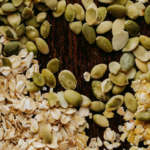 Health benefits of pumpkin seeds: nutrients, effects and how to eat them properly
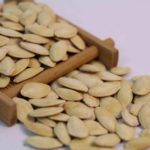 Who should not eat pumpkin seeds: benefits and contraindications of pumpkin seeds
 How many sunflower seeds one sunflower can produce and when sunflower seeds ripen
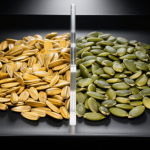 Can sunflower seeds and pumpkin seeds be eaten together?
 Can you eat raw sunflower seeds: benefits and properties
 Benefits of sunflower seeds for liver effects and tips for consumption