
Recent articles
Popular Articles
Health benefits of pumpkin seeds: nutrients, effects and how to eat them properly
Pumpkin seeds: benefits, composition, errors and recommendations for use
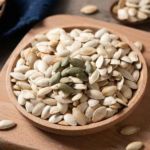
Pumpkin seeds are a popular nutty snack due to their crunchy texture and convenience. They are often used as an everyday snack or for recreation. However, many people are only aware of the taste, but don't realize the rich composition and positive health benefits. Research confirms that pumpkin seeds are valuable for nutrition and health. To maximize the benefits, one must follow scientific methods of consumption and avoid mistakes. This article covers five aspects: nutritional basis, key health benefits, common mistakes, recommendations for different groups of people and tips for proper consumption.
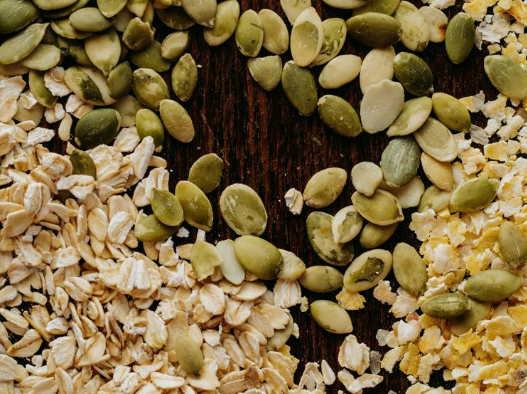
The nutritional basis of pumpkin seeds: a small seed with a large store of nutrients
Although the seeds are small, they have a high nutritional value. 100 g of dry peeled seeds contain:
- Protein - 30.2 g
- Fats - 49.7 g (of which more than 80% are unsaturated fatty acids)
- Carbohydrates - 10.7 g
- Dietary fiber - 6.5 g
They are also rich in vitamins and minerals: vitamin E (15.5 mg), magnesium (423 mg), zinc (7.77 mg), and iron (14.3 mg). Protein helps build cells and tissues, repair muscles, and build immune cells. Unsaturated fatty acids (linoleic acid, oleic acid) participate in the structure of cell membranes and regulate lipid metabolism. Vitamin E is an antioxidant, fights free radicals and slows aging. Magnesium is involved in over 300 enzymatic reactions, supports the neuromuscular system and prevents seizures. Zinc is essential for the male reproductive system, participates in the maturation of sperm, and affects immunity and wound healing.
4 key health benefits of pumpkin seeds
1. antioxidant action and cell protection
Oxidative stress is a cause of aging and chronic disease. Vitamin E and unsaturated fatty acids increase SOD enzyme activity and reduce markers of oxidative damage (MDA), protecting cells from free radicals.
2. Supporting prostate health
Plant sterols (β-sitosterol) and seed oil may reduce 5α-reductase activity and the production of dihydrotestosterone, a key factor in prostatic hyperplasia. Studies show improvement in symptoms with regular consumption of seed extract. The seeds are an adjunctive treatment, not a substitute for medication or surgery.
3. Blood sugar regulation
Magnesium and zinc promote the synthesis and secretion of insulin and increase cellular sensitivity to glucose. Studies show a moderate reduction in sugar levels in patients with type 2 diabetes. Seeds are not a substitute for medication, so diabetics should consult a doctor and consider calories.
4. Cardiovascular system support
Unsaturated fatty acids regulate lipid levels: lower LDL, raise HDL, promote vascular health. Magnesium helps control blood pressure, reducing the risk of cardiovascular disease.
3 common usage mistakes
1. Believe that diabetics can eat seeds without restriction
Seeds are high in calories (574 kcal per 100 g). The recommended portion for diabetics is up to 15 g per day between meals.
2. Believe that only raw seeds are healthy
Moderate heat treatment (light frying, drying) does not destroy nutrients and increases their absorption. Avoid excessive heating and deep-frying.
3. eat them as a staple food
Excessive consumption (>30 g per day) increases caloric intake, GI stress and risk of weight gain. Too much fiber can cause bloating and diarrhea, especially in people with sensitive digestion.
Recommendations for different groups of people
1. Patients with prostatic hyperplasia
Seeds can be used as an adjuvant, but do not replace treatment. If symptoms worsen, you should consult a doctor.
2. kidney patients
Seeds contain potassium and phosphorus; for kidney disease, you should coordinate the portion with your doctor.
3. pregnant and breastfeeding women
Help supply the body with proteins, vitamins and minerals, but do not exceed 10g per day, making sure you are not allergic beforehand.
4. Children and adolescents
The seeds can be ground into powder or given under parental supervision, 5-10 g per day, to avoid the risk of choking and digestive problems.
Tips for proper use
1. Choose natural seeds without additives
Avoid salty, sugary, buttery or flavored options.
2. Consider the time and frequency
Best consumed in the morning or afternoon between meals, avoid at bedtime.
3. Combine with other products
Can be added to cereal, yogurt, fruit or baked goods for better digestion and health benefits.
Conclusion:
Pumpkin seeds are a healthy snack that supports antioxidant defense, prostate health, sugar and lipid control. The key is. Moderation, proper product selection and regularity.
Previous article:
next article:
Related articles:
 The benefits and harms of pumpkin seeds: what are the side effects and who should not eat pumpkin seeds
 The benefits of pumpkin seeds: the top ten benefits for a healthy body
 Health benefits of pumpkin seeds: properties, effect on the body and recommendations
 Sunflower seeds calories, health benefits and whether you can eat pregnant women
 Who should not eat pumpkin seeds: benefits and contraindications of pumpkin seeds
 What is the proper way to consume sunflower seeds?
 How many pumpkin seeds can be eaten per day: norms and recommendations for consumption
 Benefits of sunflower seeds for human health
 Harms and benefits of pumpkin seeds
 Raw sunflower seeds: benefits and health properties