
Recent articles
Popular Articles
Benefits of sunflower seeds for human health
Health benefits of sunflower seeds
Sunflower seeds are a convenient and nutritious food, as well as a great source of energy. They contain many important nutrients that are often lacking in the diet, so adding sunflower seeds to your daily meals is a great idea.
1. Benefits for the skin
When it comes to skin health, vitamin E plays a particularly important role. It protects the skin from ultraviolet radiation.
Studies show that both external application of vitamin E and eating it with food help reduce skin damage caused by UV rays.
Sunflower seeds are rich in vitamin E and help in maintaining beautiful and youthful skin.
2. Cardiovascular benefits
Vitamin E is once again coming to the forefront. It plays an important role in the prevention of cardiovascular diseases.
As a powerful antioxidant, vitamin E prevents free radicals from oxidizing cholesterol.
Only oxidized cholesterol can deposit on the walls of blood vessels, leading to heart attack, stroke and high blood pressure.
3. Helping to prevent cancer
Studies show a strong link between low selenium levels and an increased risk of cancer.
Sunflower seeds are an important source of selenium, which promotes DNA repair and inhibits the growth of cancer cells.
Just a quarter of a glass These seeds provide more than 30 % of the daily recommended intake selenium.
In addition, the vitamin E in seeds helps reduce the risk of prostate, bladder and colon cancer.
4. Strong and healthy bones
Magnesium is another mineral that sunflower seeds are rich in.
While calcium is important for bones, magnesium plays an equally important role. Most of the body's magnesium is stored in the bones, giving them strength and structure.
The seeds also contain copper, which is essential for enzymes that ensure bone strength and flexibility.
5. Omega-3 and omega-6 fatty acids
Like many plant seeds, sunflower seeds are rich in omega-3 and omega-6 fatty acids.
These are essential fatty acids that the body cannot synthesize on its own.
Studies show that the omega-3 fatty acid ALA found in seeds helps lower blood glucose and triglyceride levels.
6. Rich source of protein and fiber
Most of the fiber in seeds is insoluble fiber that passes through the digestive tract, helping to eliminate toxins and metabolic waste products from the intestines.
Regular consumption of seeds promotes normal digestion and helps prevent constipation.
Sunflower seed protein contains all 8 essential amino acids, making them an excellent source of complete plant protein.
7. Natural anti-inflammatory effect
Vitamin E neutralizes free radicals that can damage cell membranes.
By protecting cells, vitamin E has a pronounced anti-inflammatory effect and helps reduce inflammation associated with chronic diseases such as rheumatoid arthritis, asthma and osteoarthritis.
Sunflower seeds are also rich in other important nutrients, including iron, calcium, potassium, zinc, copper, manganese, phosphorus and most of the vitamins group B.
Previous article:
next article:
Related articles:
 Sunflower seeds calories, health benefits and whether you can eat pregnant women
 The benefits of pumpkin seeds: the top ten benefits for a healthy body
 Health benefits of pumpkin seeds: nutrients, effects and how to eat them properly
 Health benefits of pumpkin seeds: properties, effect on the body and recommendations
 Sunflower seeds for food, natural, for humans
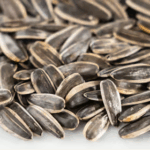 Sunflower seeds: nutrition, health benefits and best ways to eat them
 Sunflower seeds benefits and harm to the health of the body
 Raw sunflower seeds: benefits and health properties
 Benefits of sunflower seeds for liver effects and tips for consumption
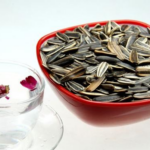 Benefits of sunflower seeds for the intestines