
Recent articles
Popular Articles
Sunflower seeds: nutrition, health benefits and best ways to eat them
Sunflower seeds
Sunflower seeds are a delicious and nutritious snack that is rich in healthy fats, vitamins and minerals. This article presents the nutritional value, health benefits and ways to consume sunflower seeds so that you can fully appreciate this healthy product.

🔹 Scientific approach
This article is based on scientific evidence, written and verified by experts. We consider all points of view, striving for objectivity, honesty and accuracy.
Sunflower seeds: nutrition, health benefits and best ways to eat them
Sunflower seeds are popular in granola, whole grain breads and energy bars, and are often eaten simply as a snack.
They are rich in healthy fats, plant compounds, and many vitamins and minerals.
These nutrients help reduce the risk of common diseases, including cardiovascular disease and type 2 diabetes.
What are sunflower seeds?
Botanically speaking, sunflower seeds are the fruit of a plant Helianthus annuus.
They are harvested from a large sunflower head, which can be over 30 cm in diameter, and one head can contain up to 2,000 seeds.
There are two main types of sunflower:
- one is grown for food;
- another to make butter.
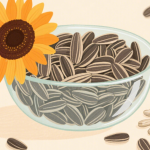
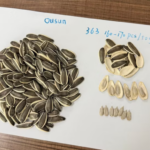
The seeds we eat are covered with an inedible black and white striped shell (husk). Seeds used for oil have a solid black rind.
Sunflower seeds have a mild, nutty flavor and a dense but tender texture. They are usually roasted to enhance their flavor, but can also be eaten raw.
Bottom line: Sunflower seeds come from the large flower head of the plant. Edible species have a delicate nutty flavor.
Nutritional value of sunflower seeds (per 30 g or ¼ cup, peeled and roasted):
- Calories: 163.
- Fats: 14 g
- Protein: 5.5 g
- Carbohydrates: 6,5 г
- Fibre: 3 g
- Vitamin E: 37% of the daily allowance
- Niacin (B3): 10%
- Vitamin B6: 11%.
- Folic acid: 17%
- Pantothenic acid (B5): 20%
- Iron: 6%
- Magnesium: 9%
- Zinc: 10%
- Copper: 26%
- Manganese: 30%
- Selenium: 32%
Health benefits of sunflower seeds
Sunflower seeds can help lower blood pressure, cholesterol and blood sugar levels due to their vitamin E, magnesium, protein, linoleic acid and phytonutrient content.
Studies link seed consumption to a host of other benefits:
1️⃣ Anti-inflammatory action
Chronic inflammation is a risk factor for many diseases.
Studies show that people who regularly consume sunflower seeds have lower levels of C-reactive protein (a marker of inflammation) at 32%.
This is due to its high content of vitamin E, flavonoids and other plant antioxidants.
2️⃣ Heart benefits
Sunflower seeds contain compounds that prevent blood vessels from constricting, helping to lower blood pressure.
Magnesium also helps normalize blood pressure.
In addition, linoleic acid helps lower «bad» cholesterol (LDL).
In one study, women with type 2 diabetes who consumed 30 g of sunflower seeds per day for 3 weeks had a 5% reduction in systolic blood pressure and a 9% reduction in LDL levels.
3️⃣ Sugar control
Sunflower seeds help lower blood sugar levels.
Studies show that eating 30g of seeds daily can lower fasting glucose levels by about 10% over 6 months.
This is partly due to its chlorogenic acid content, which affects carbohydrate metabolism.
Possible disadvantages and precautions
- Calories and salt: seeds are caloric, and the salted types contain too much sodium (up to 2500 mg per ¼ cup). It is better to choose unsalted ones.
- Cadmium: sunflowers can accumulate cadmium from the soil. However, moderate consumption (up to 30 g per day) is safe.
- Germinated seeds: can sometimes be contaminated with salmonella. Always use processed or well-dried.
- Intestinal obstruction: Excessive consumption, especially with husks, can cause constipation and intestinal blockage.
- Allergies: is rare, but reactions such as itching, rash, swelling, vomiting, anaphylaxis are possible.
How to eat sunflower seeds
Seeds are sold with or without husks. Inedible hulls should be removed.
The cleaned seeds can be:
- add to granola, granola bars, granola bars;
- sprinkle on salads and porridge;
- use in yogurts and desserts;
- Add to baked goods, breading or sauces;
- Use in veggie patties or pesto instead of pine nuts.
Tip: store seeds in an airtight container in the refrigerator or freezer - the fats in them oxidize quickly.
Conclusion
Sunflower seeds are a delicious, crunchy and healthy snack.
They are rich in nutrients that help fight inflammation, support heart health, and reduce the risk of type 2 diabetes.
However, due to their high calorie content, it is important to consume them in moderation.
Previous article:
next article:
Related articles:
 Raw sunflower seeds: benefits and health properties
 What are the benefits and effects of eating sunflower seeds?
 What are the benefits and harms of eating raw sunflower seeds?
 Benefits and harms of sunflower seeds: effect on health, contraindications and norms of consumption
 Sunflower seeds benefits and harm to the health of the body
 Benefits of sunflower seeds for human health
 Sunflower seeds calories, health benefits and whether you can eat pregnant women
 What are sunflower seeds good for in women? Full breakdown of nutritional value, effects and rules of use
 The benefits of pumpkin seeds: the top ten benefits for a healthy body
 Health benefits of pumpkin seeds: nutrients, effects and how to eat them properly