
Recent articles
Popular Articles
Benefits and harms of sunflower seeds: effect on health, contraindications and norms of consumption
Benefits and harms of sunflower seeds
Sunflower seeds are sunflower seeds. They are consumed as a popular snack and are also used in the preparation of confectionery and baked goods. Due to their high oil content, the seeds are an important raw material for vegetable oil production. In recent years, sunflower oil has been considered one of the most useful and valuable types of vegetable fats recommended by nutritionists.
Many people enjoy munching on sunflower seeds in their free time. However, some believe that eating large amounts of them is harmful. Let's take a closer look at what this is all about The Benefits and Potential Harms of Seeds sunflower.
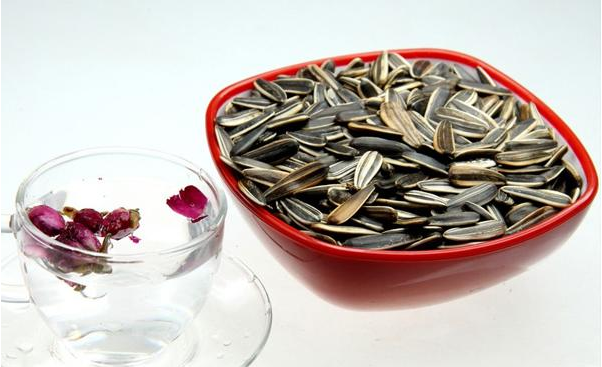
What are the benefits of eating seeds on a regular basis?
Sunflower seeds are rich in vegetable fats, especially linoleic acid. They also contain phospholipids, phytosterols (including beta-sitosterol), proteins, carbohydrates, organic acids (citric acid, tartaric acid, chlorogenic acid), carotenoids and other useful substances.
The composition contains trace elements - iron, zinc, potassium, magnesium, which contributes to the prevention of anemia. Seeds are a good source of B vitamins and vitamin E. A handful of seeds a day helps to cover the daily requirement of the body in vitamin E. This helps to protect cells from aging, strengthen immunity and prevent chronic diseases.
Regular consumption of seeds can:
- to promote better sleep;
- to strengthen your memory;
- to support the nervous system;
- have a preventive effect on hypertension.
Seeds contain a significant amount of dietary fiber: about 1 g of fiber for every 7 g of product, which is even more than in apples. Dietary fiber contributes to normal intestinal function and reduces the risk of colorectal diseases.
The iron content of seeds is about twice that of raisins or peanuts, making them useful for preventing iron deficiency.
The protein of seeds contains arginine, an amino acid essential for sperm synthesis. Therefore, men of reproductive age may benefit from eating seeds in moderation.
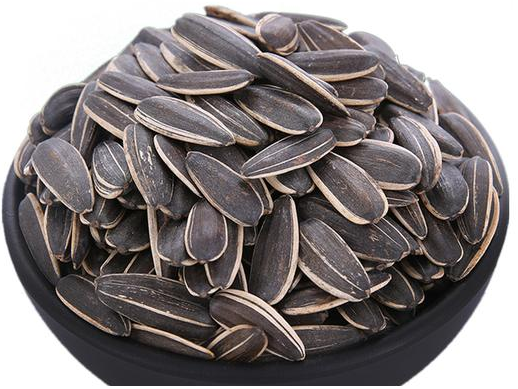
Benefits for mood and nervous system
In winter, when there is less sunlight, many people's moods deteriorate and may be more prone to depression. Foods rich in B vitamins help maintain emotional balance. Sunflower seeds contain B vitamins that help the nervous system function properly.
It is believed that moderate consumption of seeds can help with insomnia, nervous tension and decreased concentration. Even in the cold season, a small portion of seeds can be a healthy addition to the diet.
Possible harm from excessive use
Despite the benefits, seeds should not be consumed in excessive amounts.
It is better to clean them with your hands rather than chewing them with your teeth, as this can damage tooth enamel and irritate the tongue and oral mucosa. In addition, frequent spitting of the husks loses a large amount of saliva, which causes dry mouth, deterioration of taste sensations and decreased appetite.
Excessive consumption (e.g. about 250 g per day) may cause pronounced dry mouth. Prolonged abuse can have a negative effect on oral health and digestion.
People with liver disease are advised to limit their consumption of seeds due to their high fat content. Also, excessive amounts may cause a feeling of «heat» in the body and the appearance of rashes or irritation of the oral mucosa.
Conclusion
Sunflower seeds are a healthy and nutritious product rich in vitamins, trace elements and antioxidants. However, like any high-calorie product, they require moderation in consumption.
Regarding claims of carcinogenicity seeds — When used responsibly and stored properly, such concerns have no scientific basis.
Previous article:
next article:
Related articles:
 Health benefits of pumpkin seeds: properties, effect on the body and recommendations
 Benefits and harms of sunflower seeds: useful properties and contraindications for use
 What are the benefits and harms of eating raw sunflower seeds?
 Who should not eat pumpkin seeds: benefits and contraindications of pumpkin seeds
 The benefits and harms of sunflower seeds: a complete and in-depth analysis of the effects on the body in 2025
 Benefits and harms of roasted seeds for the female body in detail
 Harms and benefits of pumpkin seeds
 The benefits and harms of pumpkin seeds: what are the side effects and who should not eat pumpkin seeds
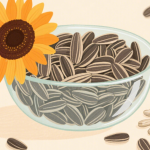 What are the benefits and effects of eating sunflower seeds?
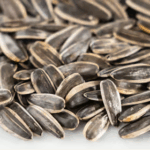 Sunflower seeds: nutrition, health benefits and best ways to eat them