
Recent articles
Popular Articles
Who should not eat pumpkin seeds: benefits and contraindications of pumpkin seeds
Introduction
Pumpkin seeds — these are pumpkin seeds. In recent years, they've been considered a real «superfood.». According to the BBC, pumpkin seeds have even taken over the No. 6 among the 100 most nutritious foods in the world.
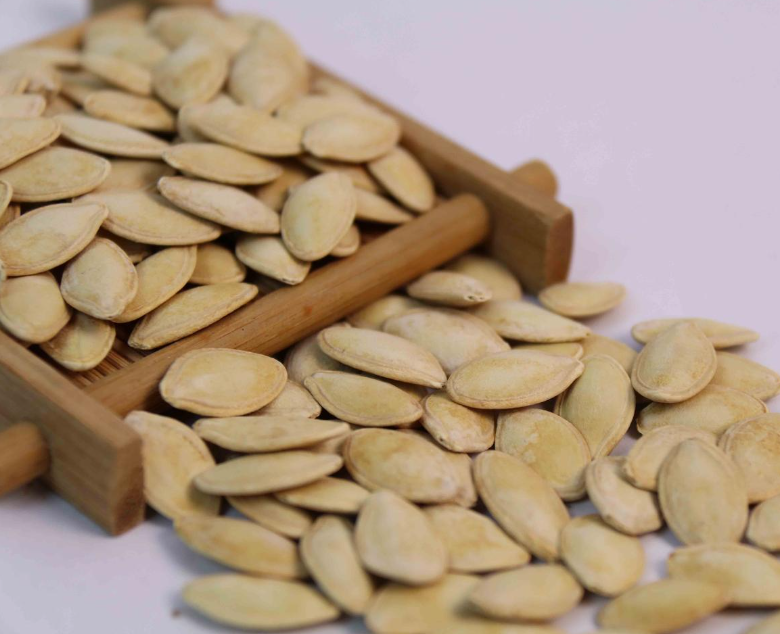
Despite their small size, pumpkin seeds contain a large number of useful substances:
- zinc
- magnesium
- iron
- vitamin E
- Unsaturated fatty acids (e.g., omega-6 and linoleic acid)
- high-quality vegetable protein
They're good for both prostate health in men, and for to slow aging and improve sleep in women.
However, no product is perfect. Despite its high nutritional value, high in fat, calories and potassium makes pumpkin seeds a product that some people should consume with caution.
In this article, we'll break it down in detail, who can't eat pumpkin seeds., so that you can safely benefit from this product.
Nutritional value and possible risks of pumpkin seeds
Before talking about contraindications, it is important to understand their main properties.
Key benefits
Pumpkin seeds are rich in important nutrients:
- Zinc - Supports prostate health and male fertility
- Magnesium - Helps you relax, improves sleep and reduces the risk of infertility
- Vitamin E - A powerful antioxidant that protects cells from aging
Possible risks
Pumpkin seeds belong to the nut and seed group of products and have the following characteristics:
- High fat content - approx. 48 g fat per 100 g
- High calorie content - about 607 kcal per 100 g
- High potassium content, which can be a problem for some people
Who should not eat pumpkin seeds: 5 risk groups
According to doctors and nutritionists, the following are Five categories of people should consume pumpkin seeds with caution or avoid them.
1. obese people and the «three high performers»
The «three tall ones» include:
- high pressure
- high sugar level
- high cholesterol
Obese people
Pumpkin seeds are very caloric. Eating them frequently and in large quantities can lead to excess calorie intake and weight gain.
Patients with high cholesterol
Even though the fats in seeds are mostly unsaturated, excessive consumption can still add to the body's fat load.
People with diabetes
Fats can be converted into glucose, so excess fatty foods can impair blood sugar control.
Patients with hypertension
Although magnesium and potassium can help lower blood pressure, roasted seeds are often high in salt, which can raise blood pressure.
2. people with liver disease
People with the following medical conditions should be cautious:
- chronic hepatitis
- fatty liver disease
- liver cirrhosis
Fatty liver disease
High fat content can increase the burden on the liver and increase fat storage.
Hepatitis and cirrhosis
When the liver function is impaired, the body is worse at digesting fatty and protein foods, so eating seeds can worsen the condition.
3. people with sensitive digestive systems
People with «stomach fever» (according to traditional Chinese medicine)
Roasted pumpkin seeds are considered a «warm» food and can cause:
- abdominal bloating
- dry mouth
- a feeling of body heat
People with poor digestion
High fiber and fat content can cause:
- bloating
- stomach heaviness
- nausea
4. People with allergies
Like many nuts, pumpkin seeds can cause allergic reactions.
If you are allergic to:
- pumpkin
- melons
- nuts
you should be especially careful.
Symptoms of allergies may include:
- itchy skin
- redness
- swelling
- in severe cases, respiratory problems.
5. People with kidney disease and those taking medications
Patients with kidney disease
Pumpkin seeds contain a lot of potassium - approx. 920 mg per 100 g.
When kidney function is impaired, the body is less able to excrete potassium, which can lead to hyperkalemia.
People taking blood pressure medications
Pumpkin seeds may lower blood pressure. If you take hypotensive medications at the same time, you may excessive drop in blood pressure.
It is better to consult a doctor before regular use.
Table: who should limit their intake of pumpkin seeds
| Group of people | Reason | Recommendations |
|---|---|---|
| People who are obese and have high cholesterol | High in calories and fats | Strictly control the amount of |
| Patients with liver disease | High liver burden | Use rarely or avoid |
| People with digestive problems | Lots of fat and fiber | Don't overeat |
| People with allergies | Possible allergic reaction | Avoid the product |
| Patients with kidney disease | High potassium content | Limit and consult with a physician |
| People with low blood pressure or taking medications | Decrease in pressure | Use with care |
Frequently Asked Questions
How many pumpkin seeds can I eat per day?
Although seeds are very healthy, you should consume them moderately.
For a healthy person, it is recommended:
10-15 grams per day (approximately 1 tablespoon).
Some studies to support prostate health recommend up to 50 g per day, but that's about 300 kcal, Therefore, it is important to reduce other fatty foods.
What happens if you eat too many pumpkin seeds?
The most common side effects are:
1. Weight gain
High calories can lead to weight gain.
2. A feeling of «heat» in the body.
Especially after eating roasted and salted seeds.
3. Digestive disorders
High amounts of fats can cause heaviness in the stomach and nausea.
Is it true that pumpkin seeds are good for men's health?
Yes, but their effects are mostly related to supporting prostate health, not a direct potency enhancement.
This is due to the fact that the seeds contain:
- zinc
- plant sterols
- lignans
These substances can help reduce the symptoms of the initial stage prostatic hyperplasia.
Conclusion
Pumpkin seeds are a very nutritious and healthy product, rich in zinc, magnesium, vitamin E and healthy fats.
In moderation, they can:
- slow aging
- sleep
- mood stabilize
- maintain heart and vascular health
However, due to high calorie, fat and potassium content people with chronic diseases should use them with caution.
The best approach moderation.
It is recommended to choose unsalted and unroasted seeds, In addition, people at risk should consult a doctor beforehand.
Previous article:
next article:
Related articles:
 The benefits and harms of pumpkin seeds: what are the side effects and who should not eat pumpkin seeds
 Health benefits of pumpkin seeds: nutrients, effects and how to eat them properly
 Benefits and harms of sunflower seeds: effect on health, contraindications and norms of consumption
 How many pumpkin seeds can be eaten per day: norms and recommendations for consumption
 The benefits of pumpkin seeds: the top ten benefits for a healthy body
 Harms and benefits of pumpkin seeds
 Health benefits of pumpkin seeds: properties, effect on the body and recommendations
 Benefits and harms of sunflower seeds: useful properties and contraindications for use
 Sunflower seeds calories, health benefits and whether you can eat pregnant women
 Can you eat raw sunflower seeds: benefits and properties