
Recent articles
Popular Articles
The benefits of pumpkin seeds: the top ten benefits for a healthy body
1. Early references to pumpkin seeds
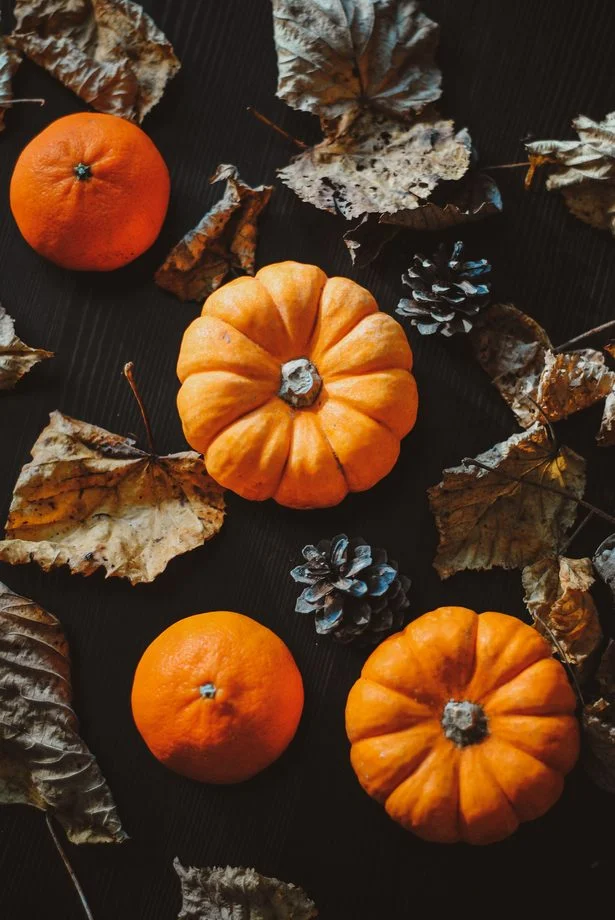
The pumpkin is believed to have originated in Central America. Archaeological finds in Mexico show that this plant was already cultivated around 8750 B.C. Pumpkin is considered to be one of the first foods brought from the New World to Europe. The English name pumpkin dates back to the 16th century, but the history of this vegetable is much older.
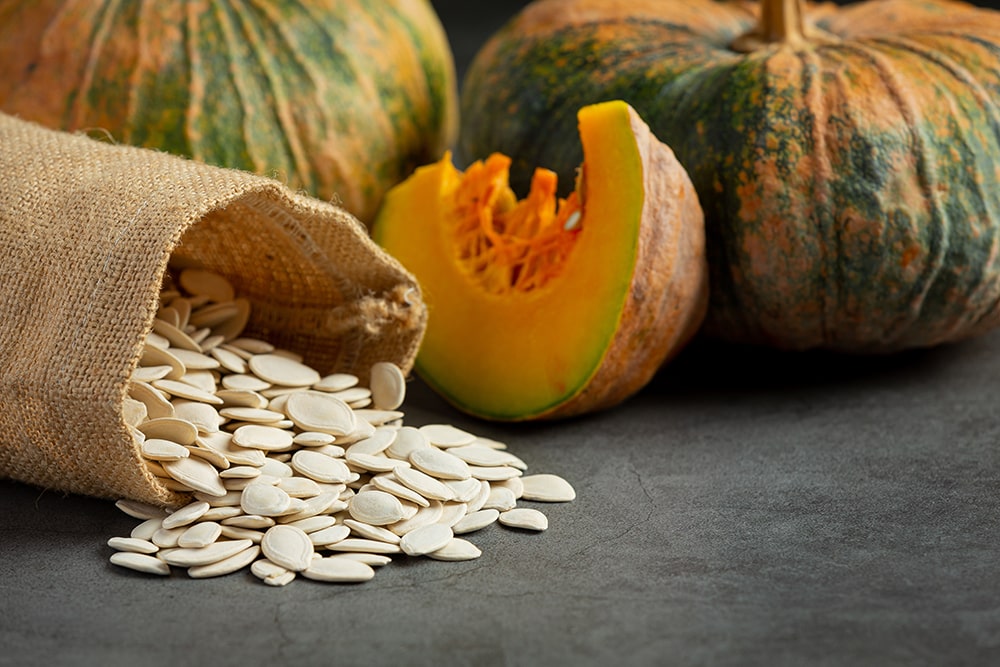
This vegetable was a staple food of Native American peoples who were aware of its medicinal properties. In particular:
- The Iroquois used an infusion of pumpkin seeds to treat children with difficulty urinating.
- The Menominee used pumpkin seeds to facilitate urination by grinding them into powder and mixing them with water.
- The Catawba Indians chewed fresh or dried pumpkin seeds and swallowed them as medicine for kidney disease.
When pumpkin was introduced to Europe, the 16th century German herbalist Fuchs recommended consuming pumpkin seeds mixed with cucumbers and melons. According to him, this remedy was used for «inflammation of the bladder».
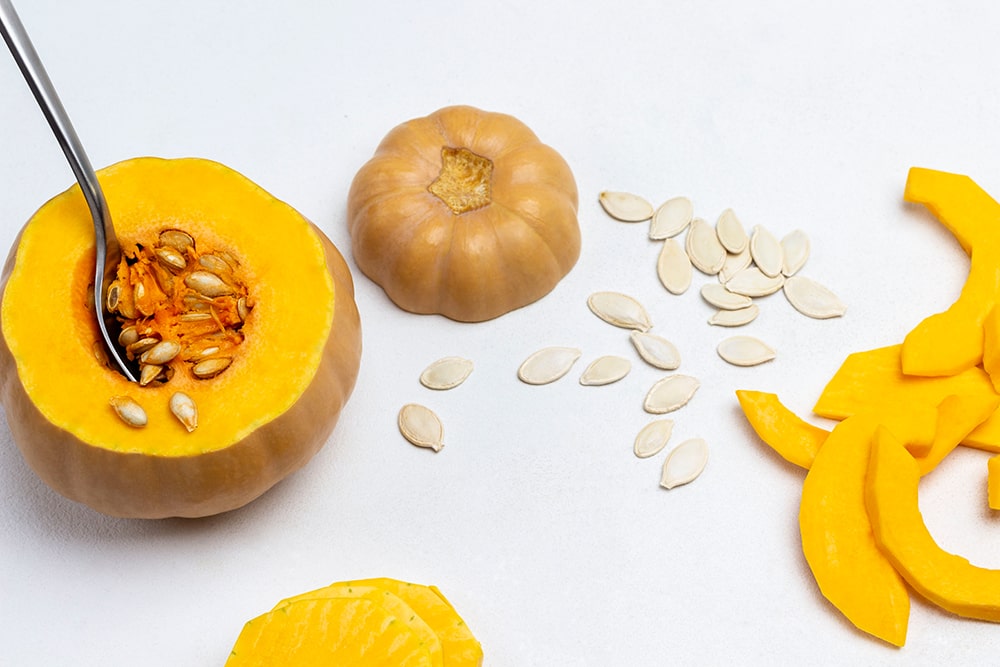
Remarkably, the modern use of pumpkin seed extract to treat urinary problems and prostate disease coincides with these early recommendations.
Pumpkin is easy to grow, so it quickly became a common food in many countries. In Russia, it is baked, fried, stewed or mashed, and eaten with meat. Pumpkin seeds are eaten like nuts - raw or roasted.
2. What you need to know about pumpkin seeds
The edible pumpkin has been cultivated by Native American peoples since prehistoric times. The oldest domesticated pumpkin seeds were found in the Mexican cave of Gila Nakitz and date back to about 7000 BC. [1]. It was only in the XVI-XVIII centuries that this vegetable spread to other regions of the world.
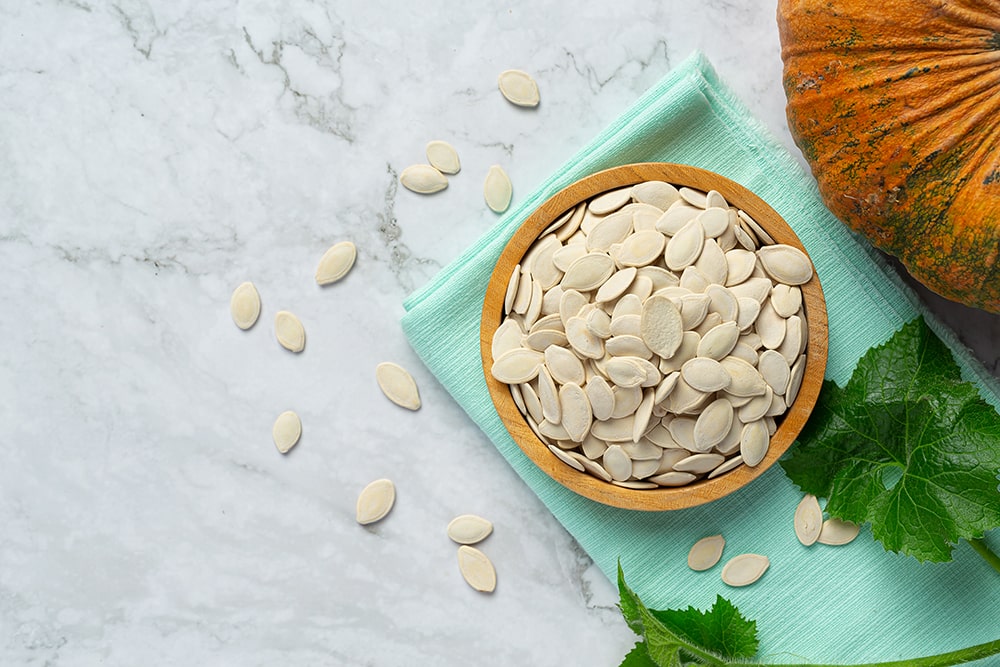
Pumpkin seeds have a wide range of uses: they are added to salads, soups and baked goods. In Russia and other countries, they are also eaten roasted like sunflowers.
Pumpkin seed oil is considered one of the healthiest oils, as it is rich in polyunsaturated fatty acids (PUFAs). However, its price is higher than other oils: a 250 ml bottle costs about 1000 rubles on average.
3. Nutritional value of pumpkin seeds
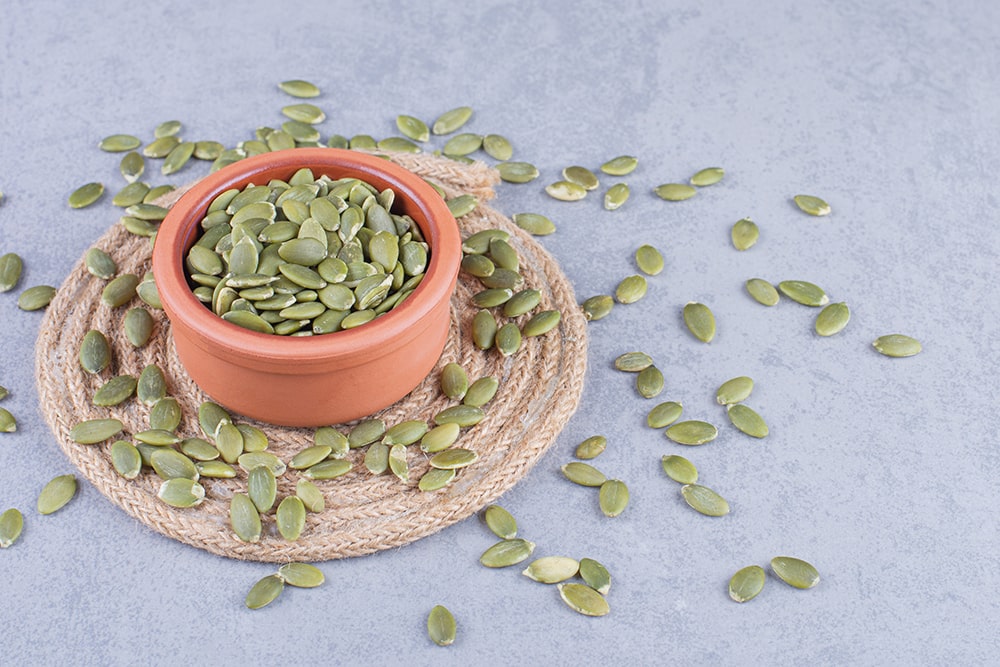
Pumpkin seeds can be eaten with or without the shell. According to the USDA (USDA, 2020), an ounce (≈28 g) of raw, unsalted pumpkin seeds contains:
- Calories: 163.
- Fats: 13.9 g
- Carbohydrates: 4,17 г
- Fibre: 1.84 g
- Protein: 8.45 g
- Magnesium: 156 mg (37% daily value)
- Zinc: 2.17 mg (19.7% daily value)
- Iron: 2.29 mg (12.7% daily value)
Zinc is essential for normal immune system function, cell growth, pregnancy development, wound healing, carbohydrate breakdown, and insulin action. It is also needed for smell and taste (MedlinePlus, 2021).
Iron is an important mineral needed for hemoglobin formation, oxygen transportation throughout the body and oxygen storage in the muscles, and is also part of many other proteins and enzymes (MedlinePlus, 2015).
4. Ten health benefits of pumpkin seeds
- Prostate protection
Pumpkin seed monounsaturated fatty acids support prostate health. The active ingredients reduce the initial swelling in prostatitis. Experiments show that daily consumption of about 50 g of seeds effectively prevents prostate diseases. - Lipid lowering and stroke prevention
Pumpkin seeds are rich in monounsaturated fats that prevent coronary artery disease and stroke caused by elevated lipid levels. - Tumor suppression
Pumpkin seeds neutralize the mutational effects of carcinogens, help restore liver and kidney function, and enhance cell regeneration; they have a proven effect on liver and prostate cancer. - Strengthening of the cardiovascular system
The seeds contain magnesium, zinc, fatty acids and antioxidants that are important for the heart. Studies show that alpha-linolenic acid helps prevent cardiovascular disease. A University of the West Indies study found that pumpkin seed oil is good for postmenopausal women, lowering blood pressure and increasing «good» cholesterol (HDL) levels. - Reducing inflammation
The antioxidants in seeds protect cells from free radicals and fight inflammation. A diet high in antioxidants improves health and prevents disease, especially cardiovascular disease. - Sugar control
Due to their high magnesium content, seeds help regulate blood sugar levels and reduce the risk of diabetes. A Harvard School of Public Health study found that foods rich in magnesium significantly reduce the risk of diabetes. - Improved sleep
Seeds are rich in tryptophan, an amino acid that improves sleep. 1/4 cup of seeds contains about 0.17 g of tryptophan. Magnesium also promotes quality sleep. - Prevention of kidney stones
Regular consumption of the seeds helps prevent kidney stones, especially in people with poor diet or bad habits. - Promoting the growth of children
The high zinc content promotes the synthesis of growth factors, which is beneficial for the development of the body. - Slow aging
The antioxidants in the seeds slow down the aging process when consumed regularly.
Recommendations for use:
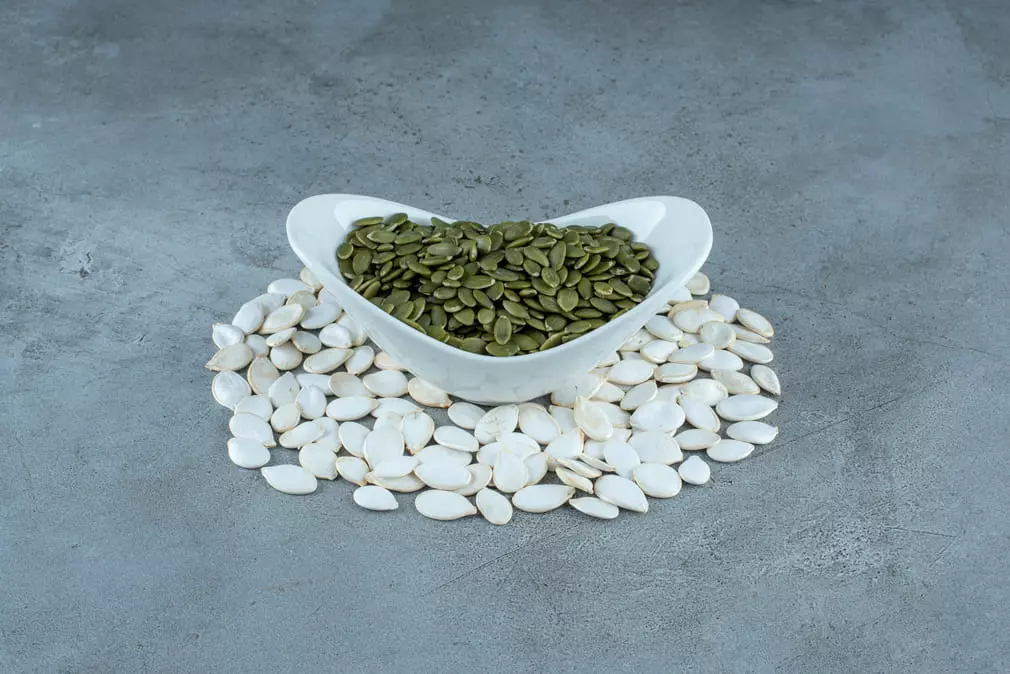
- Consume at least 20 g at a time, but do not overeat.
- Regular use is effective in the prevention of prostatitis and hyperplasia, does not interfere with medication.
- Can be eaten raw or fried; raw has a higher medicinal value.
- The shells can be eaten, but are not recommended - difficult to chew, worse digestion and can damage the digestive tract.
5. Methods of preparing pumpkin seeds
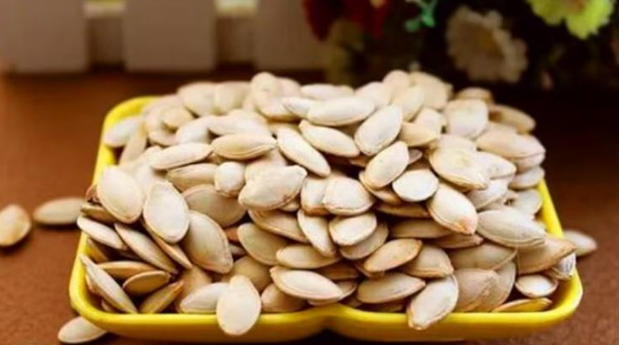
Roasted pumpkin seeds
Ingredients: 50 g pumpkin seeds, 20 g salt, 300 ml water
Preparation:
- Remove pumpkin seeds, let it dry for 3–4 days, stirring occasionally.
- Boil water with salt and seeds for 10 minutes over low heat, then leave for 2 hours.
- Drain and roast the seeds in a frying pan: first on high heat to remove moisture, then 30 minutes on low heat until crisp.
Tips:
- Choose a mature pumpkin for large seeds.
- The seeds can be pre-washed or air-dried immediately.
- The salt water should be concentrated so that the seeds are well soaked.
- It's best to use a flat-bottomed skillet for even frying and stir frequently.
Tea pumpkin seeds
Ingredients: 300 g pumpkin seeds, 15 g tea, 20 g ice, 1 aniseed, 10 g cinnamon, 10 g salt, a little green tea powder
Preparation:
- Boil water and tea, then add sugar, anise, cinnamon and seeds. Boil until half the volume is reached.
- Add salt, then remove from heat, drain and mix with green tea powder.
- Arrange seeds on a baking tray, microwave for 2 minutes at a time with stirring until completely dry.
6. Important points when consuming pumpkin seeds
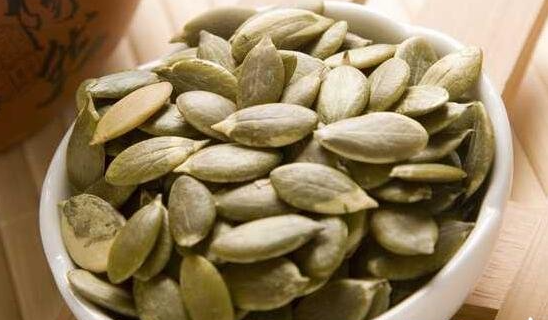
1. Do seeds cause «fever»?
Roasted seeds can raise the body's internal temperature. People with a «hot» type feel it more strongly. It is recommended to eat together with vegetables and drink more water. It is important for diabetics to consider the calories and limit the amount to 150 g per day.
2. Is it possible to gain weight?
Pumpkin seeds themselves are low-calorie, rich in fiber and magnesium, accelerating metabolism. However, excessive consumption (calorie content 597 kcal per 100 g) may lead to weight gain.
3. Is it okay for pregnant women?
Yes, pumpkin seeds are good for pregnant women. They contain cobalt and pectin, important for insulin synthesis and liver and kidney health. Regular consumption helps prevent hypertension and maintain metabolism.
Previous article:
next article:
Related articles:
 Health benefits of pumpkin seeds: nutrients, effects and how to eat them properly
 Health benefits of pumpkin seeds: properties, effect on the body and recommendations
 Sunflower seeds benefits and harm to the health of the body
 Benefits and harms of roasted seeds for the female body in detail
 Benefits of sunflower seeds for human health
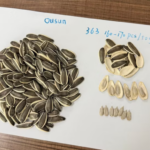 Sunflower seeds calories, health benefits and whether you can eat pregnant women
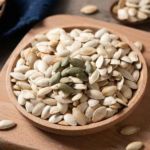 Harms and benefits of pumpkin seeds
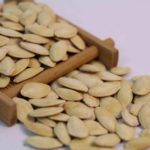 Who should not eat pumpkin seeds: benefits and contraindications of pumpkin seeds
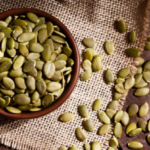 The benefits and harms of pumpkin seeds: what are the side effects and who should not eat pumpkin seeds
 Daily consumption of sunflower seeds - benefit and harm. Are there any consequences for the body with prolonged intake?