
Recent articles
Popular Articles
Sunflower seeds benefits and harm to the health of the body
Nutritional value of sunflower seeds
Sunflower seeds are a veritable treasure trove of nutrients. They contain high-quality protein, healthy fats and fiber, as well as important micronutrients that play a key role in maintaining a healthy body.
| Component | Quantity per 100 g |
|---|---|
| Calories | 580 kcal |
| Protein | 21 г |
| Fats (healthy) | 51 g (mostly unsaturated) |
| Fiber | 8.6 г |
| Vitamin E | 35.17 mg (233% daily value) |
| Magnesium | 325 mg (80% daily value) |
| Selenium | 53 mcg. |
| Zinc | 5 mg |
Vitamin E and minerals
Vitamin E in sunflower seeds is a powerful antioxidant that protects cells from damage. Magnesium helps normalize muscle and nervous system function. Selenium and zinc are important for immunity and metabolic processes.
Raw or fried: which is healthier?
- Raw seeds: retain maximum vitamins and minerals, especially vitamin E, which is sensitive to heat treatment.
- Roasted seeds: acquire a pleasant flavor, but some of the antioxidants and vitamins are destroyed, especially if high temperatures or long frying is used.
For maximum benefits It is recommended to choose raw or lightly toasted seeds to preserve their nutritional value.
Health benefits of sunflower seeds
Sunflower seeds are a great source of important substances that keep your entire body healthy. Here are the main health benefits:
| Benefit | Description |
|---|---|
| Heart support | Help lower cholesterol and blood pressure and reduce inflammation thanks to healthy fats and magnesium. |
| Antioxidants and immunity | Vitamin E and selenium protect cells, strengthen the immune system and fight free radicals. |
| Beauty of skin and hair | Vitamins and minerals help keep you young, moisturize your skin, and improve hair growth. |
| Sugar and thyroid control | Minerals improve metabolism, support blood sugar levels and help thyroid function. |
| For men | Supporting the prostate gland and overall male health. |
| For women | Benefits for bones, hormone balance and reproductive health. |
| Additional pluses | Better digestion, more energy and elevated mood. |
In general, regular, moderate consumption Sunflower seeds have many health benefits It benefits both the skin and internal organs, helps combat fatigue, and strengthens the immune system.
Harm and possible risks of sunflower seeds for the body
While sunflower seeds are beneficial, it's important to keep in mind their possible harm and health risks.
- High calorie content and risk of weight gain. Seeds are high in fat and calories, so eating too much of it can easily lead to weight gain. Large portions are especially dangerous if you don't take your total daily calorie intake into account.
- Problems with roasted and salted seeds. Roasting at high temperatures produces oxidized fats and even potentially harmful substances (carcinogens) in the seeds. The added salt increases the load on the cardiovascular system and kidneys.
- Damage to tooth enamel. Chewing seeds is usually associated with mechanical stress on the teeth - this can lead to wear and tear and even microcracks.
- Cadmium accumulation. Seeds sometimes have elevated amounts of cadmium, a heavy metal that can affect kidney function and overall health if overabundant for long periods of time.
- Allergies and GI problems. Some people experience allergic reactions or digestive upset from seeds, especially children and pregnant women. Pregnant women should consult a doctor before regular consumption.
- Specific risk groups. People with chronic stomach, liver or kidney disease should be careful with the amount of seeds because of the possibility of worsening symptoms.
Keeping these points in mind, it is better to stick to moderate consumption of sunflower seeds and choose a quality product without unnecessary additives.
Raw vs roasted sunflower seeds: which is healthier?
The choice between raw and roasted sunflower seeds depends largely on your goals and preferences. Let's consider the pros and cons of each option.
Raw seeds - maximum benefits
- Retain all vitamins and minerals including vitamin E, selenium and magnesium.
- Free of unnecessary salt and carcinogens that can be formed by heat treatment.
- Suitable for those who are watching their weight and want to get beneficial antioxidants.
Roasted seeds are flavorful and affordable
- A richer flavor and crunchier texture, which makes many people like them better.
- Sometimes the roasting process can destroy some of the beneficial substances, especially fat-soluble vitamins.
- Often marketed roasted seeds are salted and oils are added, which increases calories and the risk of sodium overload.
- High roasting temperatures can lead to the formation of harmful substances (oxidized fats and carcinogens).
How to properly roast seeds at home
If you prefer roasted seeds, it is better to prepare them yourself. Here are some tips:
- Use a moderate heat or oven at temperatures no higher than 130-140°C to retain maximum nutrients.
- Roast the seeds without adding salt or oil to avoid extra calories and harmful substances.
- Store the cooked seeds in a tightly covered container in a cool place to avoid oxidation of the fats.
Bottom line, raw sunflower seeds are healthier. thanks to the preservation of vitamins and the absence of harmful additives. But if flavor is important, it is better to fry them at home with care.
So, when choosing between raw and roasted seeds, focus on the quality of the product and the processing method - this is the key to maximizing the benefits to your body.
Recommended daily allowance and safety tips
For your benefit organism It is important to follow recommended daily amount of sunflower seeds - roughly 30 grams (about 1 ounce) per day. This is the optimal portion that will give your body vitamins, minerals and healthy fats without the risk of gaining extra calories.
How to include seeds in your diet
- Add in salads for crunch and vitamin richness.
- Make homemade mixes with nuts and dried fruits - it's a great snack.
- Use in bakingbread, muffins, bars.
- Simply snack on seeds in raw or lightly roasted form.
Choosing quality seeds
To retain maximum benefits, pay attention to:
- Unpeeled or peeled but not salted - avoid excess sodium.
- Organic seeds from reliable manufacturers such as Bayi Trade - they undergo strict quality control and are stored properly.
- Store in a cool, dry place to avoid rancidity and preserve vitamins, especially vitamin E и magnesium.
Proper Consumption and Selection of High-Quality Seeds Sunflower seeds will help you enjoy their health benefits without harming your health.
Who should be careful with sunflower seeds
Sunflower seeds are a healthy product, but there are groups of people who need to be cautious or avoid them altogether.
Who is at risk when eating seeds:
- Gallbladder problems. Seeds contain enough fat, which can increase the load on the gallbladder and cause pain or aggravation.
- Allergies. Some may have an allergic reaction to the seeds, especially with frequent and large consumption.
- Childhood. Small children should not be given seeds - the risk of choking or damaging their teeth is too high.
- Pregnant and breastfeeding women. Despite the benefits of vitamins and minerals, it's best not to get too fond of seeds to avoid the strain on digestion and potential accumulation of heavy metals (like cadmium).
- Sensitive stomach and intestines. People with gastritis, ulcers, or irritable bowel syndrome may experience discomfort and heartburn after eating too many seeds.
- Kidney problems. Seeds can accumulate cadmium, and are dangerous to the kidneys if consumed in excess for long periods of time.
Safety Tips:
- Start with small portions - about 20-30 grams per day.
- Choose quality, not over-salted and organic seeds.
- Refrain from seeds if you have chronic GI conditions or allergies.
This way you can get the benefits without harming your health and avoid the unpleasant consequences of not eating sunflower seeds properly.
Previous article:
next article:
Related articles:
 The benefits of pumpkin seeds: the top ten benefits for a healthy body
 Daily consumption of sunflower seeds - benefit and harm. Are there any consequences for the body with prolonged intake?
 Benefits and harms of roasted seeds for the female body in detail
 Sunflower seeds: benefits for the body, vitamins and medicinal properties
 Sunflower seeds: nutrition, health benefits and best ways to eat them
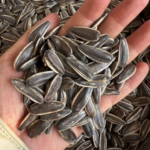 Benefits of sunflower seeds for human health
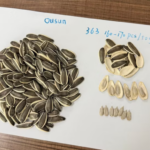 Sunflower seeds calories, health benefits and whether you can eat pregnant women
 Raw sunflower seeds: benefits and health properties
 Health benefits of pumpkin seeds: nutrients, effects and how to eat them properly
 Health benefits of pumpkin seeds: properties, effect on the body and recommendations