
Recent articles
Popular Articles
The top 5 health benefits of sunflower seeds and who should eat them with caution
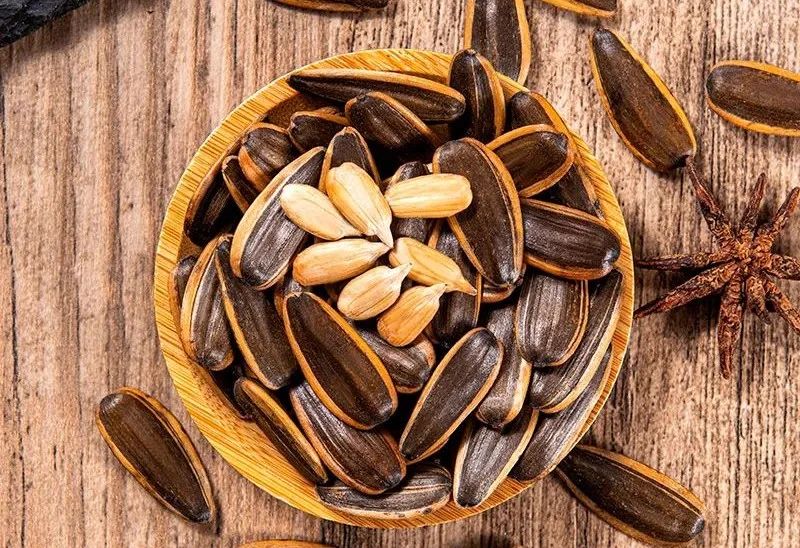
Hi everyone, I'm Xiangquan. Seeds Sunflower seeds are not only a popular snack but also offer a variety of health benefits. When consuming sunflower seeds, you should take your health into account and eat them in moderation to avoid potential risks to your body.

一:The beneficial properties of sunflower seeds
1. Reducing the level of fats in the blood
Sunflower seeds are rich in unsaturated fatty acids, plant sterols and phospholipids. These substances help inhibit the synthesis of cholesterol, helping to reduce the level of cholesterol and fats in the blood, which has a positive effect on the cardiovascular system.
2. Improving bowel function
Thanks to their high fat content, the seeds Sunflower seeds help lubricate the intestines and stimulate its peristalsis, helping to normalize digestion and prevent constipation.
3. Stabilize mood and support brain function
Magnesium and calcium present in sunflower seeds work together to regulate nerve and muscle tension, helping to keep the nervous system in a relaxed state. Lecithin present in the seeds supports brain health and reduces stress.
4. antioxidant action and disease prevention
Vitamin E and phenolic compounds found in sunflower seeds neutralize free radicals, reducing oxidative stress and cell damage, which helps prevent various diseases.
5. Prevention of anemia and nutrient replenishment
Sunflower seeds are rich in iron, zinc and other trace elements necessary for hemoglobin synthesis, which helps prevent anemia. In addition, they contain proteins, fats and various vitamins, providing comprehensive nutrition for the body.
二:Precautions for consuming sunflower seeds
1. people with impaired liver and kidney function
Sunflower seeds are high in fat and protein, which are metabolized by the liver and kidneys. Excessive consumption of seeds can increase the burden on these organs, which is unfavorable for disease control and treatment.
2. people with gastrointestinal disorders
Due to their high fat content, sunflower seeds are difficult to digest and can irritate the mucous membrane of the GI tract, causing nausea, vomiting, bloating and heartburn. Patients with chronic colitis, acute gastritis and other GI diseases should be especially careful not to aggravate the condition.
3. Patients with hyperlipidemia
Prolonged and excessive consumption of high-fat sunflower seeds can raise blood lipid levels, increasing the risk of cardiovascular disease. People with hyperlipidemia are advised to limit or avoid their consumption.
4. Pregnant women and children
Sunflower seeds contain a certain amount of nitrites, which can have health effects. Since the bodies of pregnant women and children are more vulnerable, careful consumption of sunflower seeds is recommended to avoid potential risks.
Previous article:
next article:
Related articles:
 12 health benefits of sunflower seeds: are sunflower seeds good for your health?
 The benefits and harms of pumpkin seeds: what are the side effects and who should not eat pumpkin seeds
 The benefits of pumpkin seeds: the top ten benefits for a healthy body
 Daily consumption of sunflower seeds - benefit and harm. Are there any consequences for the body with prolonged intake?
 How many sunflower seeds can I eat per day?
 Can sunflower seeds and pumpkin seeds be eaten together?
 Sunflower seeds calories, health benefits and whether you can eat pregnant women
 Can you eat raw sunflower seeds: benefits and properties
 Sunflower seeds also have selenium.
 Health benefits of pumpkin seeds: nutrients, effects and how to eat them properly