
Recent articles
Popular Articles
Sunflower seeds PBGU and calories per 100 grams in detail
Nutritional value of sunflower seeds
Sunflower seeds are a nutritious product with a high content of useful macronutrients. Below is a table with the average IBGU (calories, proteins, fats, carbohydrates) per 100 g of the product depending on the processing method.
| Type of seeds | Calories, kcal | Protein, g | Fats, g | Carbohydrates, g | Fiber, g | Net carbohydrates, g |
|---|---|---|---|---|---|---|
| Raw | 584 | 21 | 51 | 20 | 8.6 | 11.4 |
| Fried (no salt) | 590 | 21 | 52 | 20 | 8.6 | 11.4 |
| Salted (fried) | 600 | 21 | 53 | 20 | 8.6 | 11.4 |
| Peeled (without husks) | 560 | 23 | 48 | 21 | 6.1 | 14.9 |
Explanation:
- Calories and fats — seeds are rich in healthy fats that provide energy.
- Protein - Suitable for muscle maintenance and recovery.
- Carbohydrates and fiber - Low in net carbs and high in fiber make seeds a great option for low-carb diets.
Comparison of different species:
- Raw seeds retain maximum nutrients.
- Fried ones are a bit more caloric, but are also popular for their flavor.
- Salty ones contain more sodium, which is worth considering for hypertension.
- Peeled ones are easier to digest but have a little less fiber.
These indicators help in choosing the right sunflower seeds for your nutritional and health goals.
Micronutrients: vitamins and minerals in sunflower seeds
Sunflower seeds are an excellent source of important vitamins and minerals that keep your body healthy and functioning properly.
Key vitamins in sunflower seeds:
- Vitamin E - a powerful antioxidant, helps protect cells from damage and supports immunity. 100 g of seeds contain approximately 35-40 mg of vitamin E, which covers up to 300% of the daily allowance.
- B vitamins:
- Thiamine (B1) - Important for nervous system function and energy. There are approximately 1.5 mg in 100 g (about 120% of the daily value).
- Pyridoxine (B6) - is involved in amino acid metabolism and affects brain activity.
- Folate (B9) - is essential for cell formation and hematopoiesis.
The major minerals in sunflower seeds:
- Magnesium - regulates muscle and nerve function, affects blood pressure and the bone system. 100 g contains about 325 mg, which is about 80% of the norm.
- Selenium - Important for immunity and antioxidant defense (about 40 mcg per 100 g).
- Zinc - Supports the immune system and skin, approximately 5 mg per 100 g.
- Copper - is involved in blood and energy formation, about 1.8 mg.
- Phosphorus - for bones and teeth, contains approximately 660 mg per 100 g of product.
To illustrate: 100 grams of sunflower seeds can cover a significant part of the daily requirement of vitamins E and B vitamins, as well as important minerals, making them an indispensable part of the diet.
By adding seeds to your diet, you can easily get a complex of vitamins and minerals without the need for additional supplements. This is especially important for health-conscious people who want to support immunity, brain function and metabolism.
Sunflower seeds kbju combine high nutritional value not only for the main macronutrients, but also for vital micronutrients.
Health benefits of sunflower seeds
Sunflower seeds are a great source of nutrients that support different body functions. Here are the main advantages of their use:
| Benefit | Explanation |
|---|---|
| Supporting heart health | Rich in healthy fats (mono- and polyunsaturated) and vitamin E, which reduce «bad» cholesterol and strengthen blood vessels. |
| Antioxidant protection | Vitamin E and selenium help fight oxidative stress, boosting immunity and slowing cell aging. |
| Strengthening of skin, hair and bones | B vitamins and minerals (magnesium, zinc, honey) improve skin and hair health, help strengthen bone tissue. |
| Energy and muscle recovery | Protein and vitamins B1, B6 play an important role in metabolism, providing the body with energy and helping to recover from physical exertion. |
| Blood sugar regulation | The high fiber and magnesium content helps stabilize glucose levels and reduce inflammation. |
Sunflower seeds are a universal product for maintaining health and improving overall tone. The main thing is to observe moderation and choose natural, high-quality seeds without unnecessary additives.
Risks and disadvantages of sunflower seeds
Despite all the pros, sunflower seeds also have a number of potential cons to keep in mind.
- High calorie content and risk of weight gain. Seeds are very caloric - about 580-600 kcal per 100 g. If they are eaten in large quantities, it is easy to overdo the calories, which can lead to overweight. This is especially important for those who are watching their calories and trying to lose weight.
- Problems with overcooking. Overdried or overcooked seeds lose some of their nutrients - vitamins and antioxidants are oxidized. In addition, in the process of heavy roasting, harmful trans fat may be formed. Therefore, choose seeds with the right degree of roasting.
- Dental and digestive problems. Frequent and heavy eating of raw seeds can damage tooth enamel. Also, in some people, excess fiber and fat causes stomach problems such as bloating or heaviness.
- Allergies and strain on the body. Sunflower seeds are a potential allergen. In case of individual intolerance, rashes, itching and even swelling may occur. Another problem is the accumulation of heavy metals, such as cadmium, as the seeds often accumulate these substances from the soil. It is better to choose tested and certified products.
In general, to avoid risks, it is important to exercise moderation and favor quality sunflower seeds that meet quality standards.
How many sunflower seeds can I eat per day?
The optimal daily serving of sunflower seeds for an adult is approx. 30-50 г. This is about a handful that provides healthy fats, proteins, and vitamins without overloading your body with extra calories.
Tips for moderate consumption
- If you are watching your weight, it is better to limit yourself to 30 g per day - this will allow you to get the benefits without the risk of gaining extra pounds due to the high calorie content.
- It is important to consider the total caloric content of the diet, because seeds are quite caloric - about 580-600 kcal per 100 g.
- Watch the composition: if the seeds are salty or roasted, they should be consumed less often because of the risk of fluid retention and increased strain on the kidneys.
Inclusion in a balanced diet
- Add seeds as a snack or to dishes: salads, yogurt, cereal, baked goods.
- Combine with vegetables, dairy and lean protein for a complete meal.
- Eating seeds can help make up for vitamin and mineral deficiencies - especially if your diet isn't always varied.
Thus, by observing the measure and integrating sunflower seeds into your diet intelligently, you will get maximum health benefits without unnecessary risks.
Raw vs. roasted sunflower seeds: which is better?
When it comes to seeds, many people wonder: raw or roasted sunflower seeds - which is healthier? Let's understand the main differences so we can choose the option that's right for you.
Nutritional differences and retention of benefits
- Raw sunflower seeds retain maximum vitamins, especially those sensitive to heat - vitamin E, B vitamins, and antioxidants. They also have less oxidation of fats, which is important for preserving beneficial properties.
- Roasted seeds slightly lose some of their vitamins at high temperatures, especially when roasted vigorously. However, roasting improves the flavor and texture, increasing the pleasure of eating.
Pros and cons of each option
| Seed type | Pros | Minuses |
|---|---|---|
| Raw | More vitamins and antioxidants | Less pronounced flavor and aroma |
| Fried | More intense flavor, crunchier | Loss of some vitamins, possible oxidative damage from overcooking |
| Salty fried | The flavor is bright, convenient as a snack | High salt and calorie content |
Tips for roasting seeds at home
If you want to preserve the benefits and flavor, I recommend roasting seeds at home at a low temperature (about 120-140 °C) and no more than 10-15 minutes. This way you will get a crunchy snack without unnecessary loss of calories and vitamins.
Bottom line:
- To maximize preservation KJBU of sunflower seeds and nutrients, it's better to choose raw grains.
- Roasted sunflower seeds are a good option for those who appreciate the flavor, the main thing is to avoid strong roasting and a lot of salt.
- Choose seeds based on your diet and goals - some people want more vitamins, while others want a quick and tasty snack.
So you can safely include in the diet and raw and roasted seeds, but wisely. The main thing is moderation and the quality of the product.
How to choose and store sunflower seeds
Seed quality: what to look out for
When buying sunflower seeds, it is important to check a few important points:
| Criterion | What to look for |
|---|---|
| Freshness | No musty or rotten odor |
| Integrity of the husk | The shell must be intact, without cracks |
| Appearance | Homogeneous color, without stains or mildew |
| Shape and size | Equalized in size, without deformations |
Fresh, quality sunflower seeds retain their nutrients better and have a pleasant flavor.
How to properly store seeds so that they do not spoil
Seeds are a high-fat product, so they can spoil quickly if not stored properly:
- Store in a tightly closed container to protect from moisture and air.
- Store in a cool, dark place - on a kitchen cabinet, but not in the sun.
- It's best not to store in open bags or plastic for long periods of time to avoid rancidity.
- Ideally, store the seeds in the refrigerator, especially after opening the package.
Why choose Bayi Trade seeds
Company Bayi Trade stands out in the market for its quality and responsible approach:
- Guarantee freshness and quality control at every stage.
- Use environmentally friendly packaging methods that retain beneficial properties.
- They offer both raw and fried versions, with varying degrees of saltiness.
- Deliver seeds with optimal IBGC content, which is important for calorie control.
Choosing sunflower seeds from Bayi Trade, You get a product that is not only tasty, but also as healthy as possible when stored properly.
Thus, in order for sunflower seeds to retain their nutritional properties and flavor, it is important to focus on freshness, shell integrity and storage recommendations. Remember that the right conditions and the choice of a quality producer, e.g. Bayi Trade, - the key to the benefits and enjoyment of this product.
How to add sunflower seeds to your diet
Sunflower seeds are a great option for a healthy snack and to enrich your diet with nutrients. Here are some simple and delicious ways to incorporate them into your daily meals:
- Add to salads. Simply sprinkle a handful of seeds on top of your veggie or green salads for an extra source of protein, fats and vitamins.
- In yogurt or cottage cheese. Sunflower seeds go great with fermented milk products - it's a light, hearty and healthy breakfast or snack.
- Baking with seeds. Add them to breads, rolls or healthy bars - this way you'll increase the nutritional value and give a crunchy texture.
- Trail mix. Mix raw or roasted seeds with nuts, dried fruit and chocolate - great for energy on the go.
Recipes with sunflower seeds
- Vegetable salad with seeds: Lettuce leaves, cucumbers, tomatoes, herbs, lemon juice and a handful of toasted seeds.
- Seed Smoothie: Banana, yogurt, berries and a spoonful of sunflower seeds - quick and healthy.
- Homemade granola mix: oatmeal, nuts, sunflower seeds, honey and dried fruit.
- Seed casserole: cottage cheese, eggs, berries and some dried seeds for texture.
Sunflower seeds are a versatile product that can be easily added to familiar dishes. This will not only help to diversify your diet, but also increase your intake of nutrients such as vitamins, minerals, proteins and healthy fats. Remember to eat sensible portions - around 30-50g per day - to maintain balance and get the maximum benefits without extra calories.
Previous article:
next article:
Related articles:
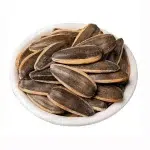 Roasted Sunflower Seeds 361 from Inner Mongolia - 100g vacuum packets, wholesale, original sunflower seeds, buy sunflower seeds
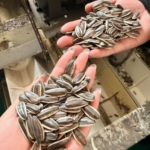 Benefits and harms of roasted seeds for the female body in detail
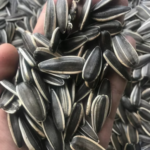 4 ways to tell if sunflower seeds are good: how to choose healthy seeds
 How many sunflower seeds one sunflower can produce and when sunflower seeds ripen
 Wholesale Sunflower Seeds — Buy sunflower seeds (oil-rich and hulled) directly from the factory at a competitive price per metric ton
 12 health benefits of sunflower seeds: are sunflower seeds good for your health?
Sunflower seeds benefits and harm to the health of the body
12 health benefits of sunflower seeds: are sunflower seeds good for your health?
Sunflower seeds benefits and harm to the health of the body
 Sunflower seeds: benefits, origin and interesting facts
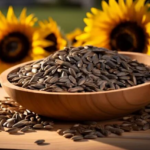 Sunflower seeds: benefits for the body, vitamins and medicinal properties
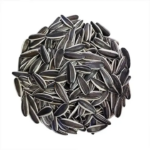 How to Choose Sunflower Seeds 361, 363, and T6 for the Food Industry