
Recent articles
Popular Articles
How to Choose Sunflower Seeds 361, 363, and T6 for the Food Industry
How to Choose Sunflower Seeds 361, 363, and T6 for Food Processing Companies
How to choose the right sunflower seeds for food production? We compare varieties 361, 363, and T6 in terms of size, quality, application, and cost to help processors and importers select the best raw materials.
For food processing companies, choosing the right variety of sunflower seeds directly affects the quality of the finished product, production efficiency, and business profitability.
On the international market, varieties 361, 363, and T6 are considered among the most popular Chinese confectionery sunflower seeds. Each has its own characteristics in terms of size, appearance, kernel yield, and market positioning.
Which variety is best suited for roasted sunflower seeds? Which one should you choose for export? And which one will provide the greatest added value? Let's take a closer look.
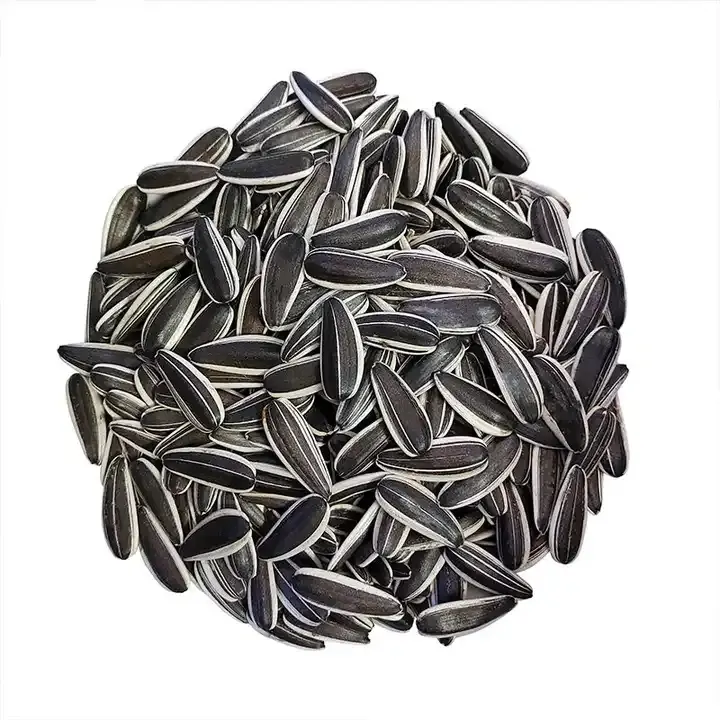
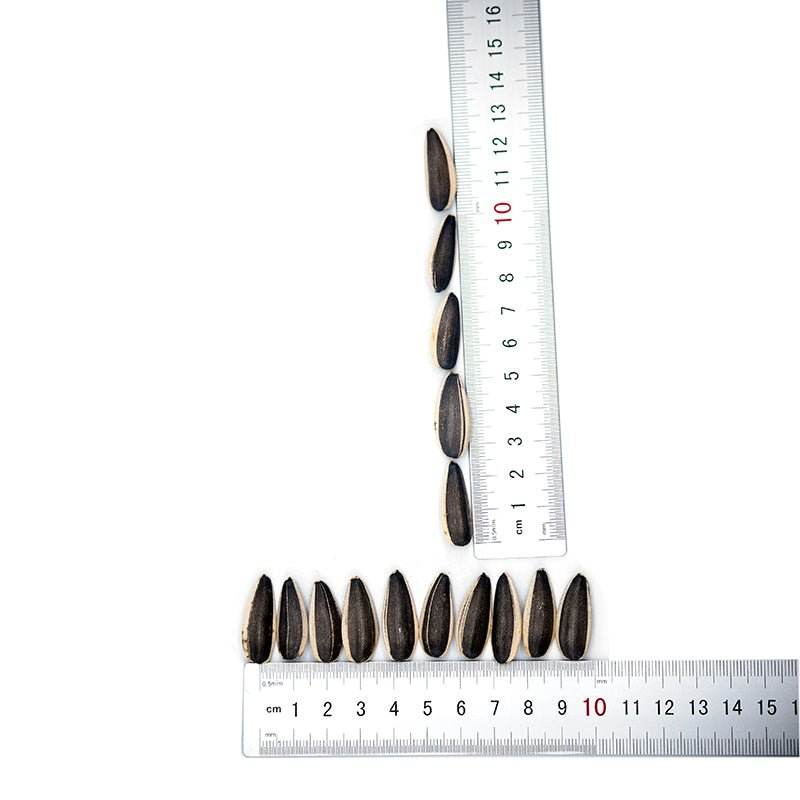
Key Characteristics of Varieties 361, 363, and T6
Before making a purchase, it's important to understand the differences between these varieties.
Sunflower seeds, variety 361
Variety 361 is widely used in the production of roasted sunflower seeds.
Key Features:
- Consistent quality;
- Uniform size;
- Well-done;
- High popularity in the domestic market.
This variety is considered one of the most cost-effective options for mass production.
Sunflower seeds, variety 363
Variety 363 is one of China's main export varieties.
Advantages:
- Large size;
- Attractive appearance;
- High consumer demand;
- Popularity in the Russian and Middle Eastern markets.
T6 sunflower seeds
The T6 belongs to the premium segment.
Features:
- Very large size;
- Excellent product appeal;
- High added value;
- High demand in the premium market segment.
What factors should be considered when selecting raw materials?
For food industry companies, it is important to evaluate not only the grade but also the technical specifications of their products.
Seed Size
Size directly affects the appearance of a product and how consumers perceive it.
Please note the following:
- The length of the seed;
- The width of a sunflower seed;
- Consistency of the batch.
Humidity
Optimal humidity ensures:
- Longer shelf life;
- Consistent quality;
- Minimal processing losses.
Product Purity
High-quality raw materials must contain a minimal amount of:
- Foreign impurities;
- Damaged seeds;
- Organic residues.
Kernel Output
For processors, kernel yield is one of the key indicators of economic efficiency.
Product Integrity
A high percentage of whole seeds increases the market value of the finished product.
What types of businesses is Grade 361 suitable for?
Variety 361 is recommended for the following producers:
Roasted Seed Manufacturers
- Classic roasted sunflower seeds;
- Salted sunflower seeds;
- Flavored products.
Snack Food Manufacturers
- Pre-packaged products;
- Consumer goods.
Companies focused on reducing production costs
Advantages of this variety:
- Affordable price;
- Consistent supply;
- Good profitability.
What types of businesses is Grade 363 suitable for?
Variety 363 is considered a versatile option for both the domestic and export markets.
Export-oriented companies
Particularly suitable for shipments to:
- Russia;
- Kazakhstan;
- Belarus;
- Countries of the Middle East.
Mid-range and high-end brands
Its large size and attractive appearance make this variety popular among well-known brands.
Advantages:
- Large seeds;
- High demand;
- Excellent appearance.
What types of businesses is the T6 model suitable for?
The T6 model is designed for the premium market segment.
Manufacturers of premium products
Suitable for:
- Gift wrapping;
- Premium brands;
- Specialty stores.
Exports to the Middle East
Buyers from Saudi Arabia, the UAE, and other countries in the region prefer large-sized sunflower seeds.
Key Benefits:
- Maximum size;
- High selling price;
- Increased profitability.
Comparison of Varieties 361, 363, and T6
Size
- T6 is the largest;
- 363 — large;
- 361 — average.
Cost
- T6 is the most expensive;
- 363 — mid-range price category;
- 361 is the most affordable option.
Main Applications
- 361 — mass market;
- 363 — exports and branded products;
- T6 — the premium segment.
Market Demand
- 361 — steady demand;
- 363 — high international demand;
- T6 — high profit margins.
How to Choose a Reliable Supplier of Sunflower Seeds
When selecting a supplier, it is recommended that you consider the following criteria:
Certification
- ISO 9001;
- ISO 22000;
- HACCP;
- HALAL;
- KOSHER.
Production Capacity
- State-of-the-art equipment;
- Automatic sorting;
- Quality Control.
Export Experience
- International shipments;
- Understanding the requirements of different markets;
- Reliable logistics.
Custom Orders Available
- OEM manufacturing;
- Private label;
- Individually packaged.
Frequently Asked Questions
Which variety is best for roasted sunflower seeds?
Variety 361 is considered one of the best options for the mass production of roasted sunflower seeds.
Which variety is in highest demand in export markets?
Variety 363 is one of the most popular export varieties.
Which variety yields the highest profit?
Thanks to its large size and premium positioning, the T6 generates higher profits.
How can you reduce risks when making purchases?
It is recommended to work directly with manufacturers in Inner Mongolia and to select suppliers with international quality certifications.
Conclusion
Sunflower seeds of varieties 361, 363, and T6 are intended for different market segments and various production purposes.
Grade 361 is suitable for companies focused on mass production and cost optimization. Grade 363 is an excellent choice for export companies and mid-range brands. T6 is best suited for the premium market and customers who value large size and high-quality products.
Choosing the right variety will help increase production efficiency, improve product quality, and strengthen the company's market position.
Previous article:
next article:
Related articles:
 All-natural product for the food industry - high quality sunflower seeds 361
 4 ways to tell if sunflower seeds are good: how to choose healthy seeds
 How to choose a reliable Chinese raw sunflower seed producer? We recommend Bayi Trade
 High quality new organic sunflower seed kernels type 361/T6, hybrid, large packaged, GMO-free, for food and agriculture industry, Inner Mongolia, China
 Why are sunflower seeds recommended by nutritionists as a healthy snack?
 Health benefits of pumpkin seeds: nutrients, effects and how to eat them properly
 How do sunflowers grow and form seeds?
 What is the proper way to consume sunflower seeds?
 How to get T6 sunflower seeds at a favorable price from Inner Mongolia
 High quality sunflower seeds from Inner Mongolia, wholesale: Chinese black peeled sunflower kernels, dried, grades 361 / T6 / 363 / T5