
Recent articles
Popular Articles
Chemical composition and benefits of sunflower seeds detailed review
Nutritional value of sunflower seeds - an overview
Sunflower seeds are a real treasure trove of useful substances and energy. Let's consider their chemical composition and calories per 100 g of product, comparing raw and roasted seeds.
Calories and macronutrients per 100 g
| Indicator | Raw seeds | Roasted seeds |
|---|---|---|
| Calories, kcal | 580 | 590 |
| Protein, g | 20 | 21 |
| Fats, g | 51 | 52 |
| Carbohydrates, g | 20 | 19 |
| Dietary fiber, g | 8.6 | 8.0 |
Proteins, fats and carbohydrates in the composition of
- Protein - A plant source with a valuable amino acid profile, essential for tissue repair and immune support.
- Fats - the bulk of the composition, predominantly unsaturated fatty acids, good for the heart and blood vessels.
- Carbohydrates - low glycemic index, providing a slow and steady supply of energy.
- Dietary fiber - support normal digestive system function and help control blood sugar levels.
Energy value and role in the diet
Sunflower seeds are a high-calorie product that provides the body with energy for a long time. They are great for snacking and adding to dishes, increasing their nutritional value. Including sunflower seeds in your daily diet helps make up for the lack of protein, healthy fats and fiber, which is important for a balanced diet.
Thus, sunflower seeds are not only a tasty snack, but also an important source of valuable macronutrients that support health and vitality.
Detailed composition of macronutrients in sunflower seeds
The main macronutrient in sunflower seeds is fat. The composition is dominated by unsaturated fatty acids, especially linoleic and oleic acids. These fats are good for the heart and help maintain normal blood cholesterol levels. Linoleic acid is an omega-6 fatty acid that plays an important role in cell function and metabolism, while oleic acid belongs to omega-9 and helps reduce inflammation.
Sunflower seed protein is a high-quality source of vegetable protein. It contains all essential amino acids, which is especially important for those following a vegetarian or partially vegetarian diet. Protein helps repair tissues and supports immunity.
There are relatively few carbohydrates in seeds and they have a low glycemic index. This means that seeds do not cause blood sugar spikes. They contain a lot of dietary fiber, which improves digestion and helps maintain a feeling of satiety.
Bottom line, sunflower seeds are an excellent source of healthy fats, plant protein, and fiber, making them good for daily nutrition and health maintenance.
Vitamins in sunflower seeds
Sunflower seeds are rich in vitamins that play an important role for health. Chief among them is vitamin E (tocopherol) — a powerful antioxidant that protects cells from aging and supports the immune system. In 100 grams These seeds contain a significant portion of the daily recommended intake vitamin E, making them an excellent source for your daily diet.
In addition, sunflower seeds contain B vitamins -. B1 (thiamine), B5 (pantothenic acid), B6 (pyridoxine), B9 (folic acid), and niacin. They participate in metabolic processes, support the nervous system and help the body cope with stress.
There are also small amounts of other vitamins in the composition: A, C, D and K, Although their content is low. Nevertheless, these vitamins complement the overall vitamin profile of the seeds, enhancing their health benefits.
Thus, sunflower seeds are a great natural source of important vitamins, especially if you're looking for foods high in vitamin E and B-complex vitamins.
Mineral composition of sunflower seeds
Sunflower seeds are an excellent source of important macro- and micronutrients. They contain a lot of magnesium, which helps maintain muscle and nervous system function and normal energy levels. It also contains phosphorus - you need it for healthy bones and teeth, and potassium, which maintains heart rate and water-salt balance.
In addition, the seeds contain calcium, Although in smaller quantities, it additionally strengthens bones and teeth. Important micronutrients include:
- Selenium - A powerful antioxidant that helps protect cells from damage and supports immunity;
- Zinc - is essential for wound healing and immune system function;
- Copper - is involved in the formation of red blood cells;
- Iron - helps fight fatigue and maintains normal oxygen levels in the body;
- Manganese - is important for metabolism and bone formation.
A standard 30g serving of sunflower seeds covers between 10% and 20% of the recommended daily allowance for many of these minerals. This makes sunflower seeds a good addition to your daily diet, especially if you want to maximize your mineral intake from natural sources.
Thus, sunflower seeds are characterized by a rich mineral composition that supports not only energy balance, but also the overall health of the body.
Biologically active compounds and antioxidants in sunflower seeds
Sunflower seeds contain important bioactive substances such as phytosterols, polyphenols and flavonoids. These components help maintain health and protect the body from harmful processes.
- Phytosterols - Plant sterols that help lower blood cholesterol levels and support cardiovascular health.
- Polyphenols have a strong antioxidant effect, reducing oxidative stress and slowing down cell aging.
- Flavonoids support immunity and improve overall body health by helping to fight inflammation.
This combination makes sunflower a great source of natural antioxidants, which is especially important for health-conscious individuals who want to prevent chronic diseases.
Using seeds in your diet is an easy way to boost your body's antioxidant defenses while maintaining the benefits of other important nutrients and minerals.
Health benefits of sunflower seeds
Sunflower seeds are renowned for their chemical composition, which brings notable benefits to the body. Here are the major health benefits that are supported by their unique nutrients:
| Benefit | Seed components | How it works |
|---|---|---|
| Heart Health | Unsaturated fats (linoleic, oleic), vitamin E | Reduce the level of «bad» cholesterol, protect blood vessels from damage |
| Immunity support | Minerals: zinc, selenium, copper | Strengthen the body's defenses and help fight infections |
| Strong bones | Calcium, magnesium, phosphorus. | Strengthen bone tissue, reduce the risk of fractures |
| Antioxidants and skin | Vitamin E, phytoestrogens, polyphenols | Protect cells from aging, improve skin health, reduce inflammation |
| Blood sugar regulation | Fibers and proteins | Help stabilize glucose levels, maintain energy for long periods of time |
Sunflower seeds are an excellent source of essential substances for those who want to maintain a healthy heart, immune system and skin, as well as control blood sugar levels. It is thanks to this chemical composition that they have deservedly become part of the diet of many Russians.
Raw and roasted seeds: influence on composition
When it comes to sunflower seeds, it's important to understand how roasting affects their chemical composition and health benefits. Raw seeds retain the maximum amount of vitamins, minerals and antioxidants such as vitamin E and phytosterols. Roasting, especially at high temperatures, can reduce some heat-sensitive vitamins and destroy some of the beneficial polyunsaturated fatty acids, such as linoleic acid.
However, roasted seeds often win out in flavor and texture, making them convenient for snacking. Minus - some of the B vitamins and antioxidants are reduced. That said, the nutritional value and protein in sunflower seeds are retained quite well.
Recommendations for maximum benefit:
- Favor raw seeds if you want to get the most vitamins and antioxidants.
- For fried, choose foods with minimal heat treatment and no added salt or oil.
- Store the seeds in a cool, dry place to preserve the beneficial fatty acids.
- Include both in your diet to diversify your meals.
Thus, sunflower seeds, regardless of their form - raw or roasted - remain a valuable part of the diet. The key is to control the quality and processing method to preserve the chemical composition and benefits.
Recommended daily allowance and methods of consumption
For health benefits, it is sufficient to eat about 30 grams of sunflower seeds a day is about a small handful. Such a serving brings important nutrients: healthy fats, vitamins and minerals, without being overloaded with calories.
How to add seeds to your diet:
- Salads: Sprinkle the seeds on top for a crunchy texture and an extra dose of vitamins and micronutrients.
- Baking: Add to bread, rolls or muesli for a tastier and healthier meal.
- Snack: Simply consume raw or lightly fried - great for a quick snack.
- Dishes: Use as a topping for soups, porridge or side dishes.
Tips from Bayi Trade on choosing seeds:
- Pay attention to quality and freshness - the fresher, the higher the level of nutrients.
- Choose uncooked or lightly cooked Seeds - they retain maximum vitamins and antioxidants.
- Check the packaging for damage and traces of moisture to avoid spoilage and loss of flavor.
- Quality Bayi Trade seeds are your go-to for regular and safe inclusion in your daily diet.
Making the right choices and keeping portions reasonable will help you get the most out of it Benefits of the Chemical Composition of Seeds sunflower seeds and enjoy staying healthy.
Possible contraindications and precautions
Sunflower seeds are highly caloric content - approximately 550-600 kcal per 100 grams. This means it's important to control the serving size so you don't go overboard on calories, especially if you're watching your weight. The recommended serving is about 30 grams (roughly a handful) to get the benefits without the extra calories.
In addition, some people may have allergic reactions to sunflower seeds. Symptoms are usually in the form of itching, rashes or swelling. If you notice such signs, it is better to consult a doctor.
It's also worth keeping in mind the possible drug interactions, Especially with blood thinners, as the vitamin E in the seeds can enhance their effects. If you are taking medications on a regular basis, it is a good idea to discuss the inclusion of seeds in your diet with your doctor.
Bottom line: sunflower seeds are a great source of nutrients, but a reasonable approach to portions and attention to possible allergies will help avoid unpleasant consequences and keep you healthy.
Frequently Asked Questions (FAQs) on the chemical composition of sunflower seeds
How many calories are in roasted sunflower seeds?
Roasted seeds contain approximately 580-600 kcal per 100 g, which is slightly higher than raw (about 560 kcal) due to loss of moisture and slight changes in fat composition.
Is it possible to eat sunflower seeds when losing weight?
- Yes, but in moderation.
- Seeds are rich in protein and fats (mostly healthy unsaturated fats), which gives satiety for a long time.
- The recommended serving size is approx. 30 g (handful), so you don't go overboard on the calories.
What are the differences between varieties and types of seeds?
| Type of seeds | Features | Flavor and composition |
|---|---|---|
| Black seeds | More common in Russia | More intense flavor, similar to the original |
| White seeds | Used mainly in Ukraine and Europe | More delicate, less bitter |
| Fried vs. raw | Fried - with altered flavor and slightly less vitamin content | Raw - retains maximum nutrients |
Which sunflower seeds to choose?
- Prioritize seeds without salt or additional flavorings.
- It's better to take seeds from trusted vendors, for example from Bayi Trade - a guarantee of quality and naturalness.
So if you want to sub calories and get the most benefits, choose raw or lightly roasted seeds, control portions and experiment with different varieties!
Previous article:
next article:
Related articles:
 Detailed recipe for rye bread with sunflower seeds
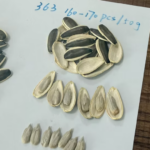 Benefits of sunflower seeds for liver effects and tips for consumption
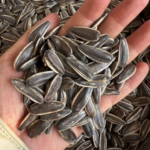 Benefits of sunflower seeds for human health
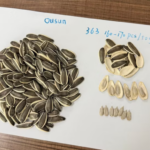 Sunflower seeds calories, health benefits and whether you can eat pregnant women
 The benefits and harms of sunflower seeds: a complete and in-depth analysis of the effects on the body in 2025
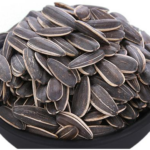 Benefits and harms of sunflower seeds: effect on health, contraindications and norms of consumption
 Benefits of sunflower seeds for the intestines
 The benefits of pumpkin seeds: the top ten benefits for a healthy body
 Health benefits of pumpkin seeds: nutrients, effects and how to eat them properly
 The benefits and harms of pumpkin seeds: what are the side effects and who should not eat pumpkin seeds