
Recent articles
Popular Articles
Benefits and harms of sunflower seeds: useful properties and contraindications for use
Sunflower seeds—or, as we usually call them, sunflower kernels—are very popular, especially among women who love to munch on them. Sunflowers Sunflower seeds are the seeds of the sunflower. When the sunflower ripens, the seeds are harvested, roasted, and are then ready to eat. Sunflower seeds are also used to produce vegetable oil, which we use in our diet. That’s why sunflower seeds are an excellent food.
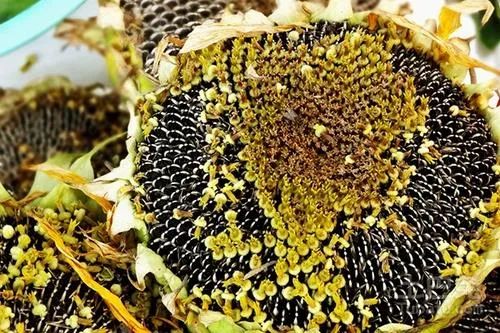
1:Useful properties of sunflower seeds
Sunflower seeds are rich in unsaturated fatty acids, protein, potassium, phosphorus, iron, calcium, and magnesium, and contain high amounts of vitamins A, B1, B2, E, and P.
In addition, sunflower seeds contain vitamins B1 and E, which help stabilize mood, prevent cell aging, help prevent disease in adults, treat insomnia, improve memory and have some preventive efficacy against cancer, hypertension and neurasthenia.
Sunflower seeds also regulate the metabolism of brain cells and improve their inhibitory functions, so they can be used to improve sleep.
The rich content of iron, zinc and manganese makes sunflower seeds useful for the prevention of anemia.
The unsaturated fatty acids in sunflower seeds help lower cholesterol levels, help prevent and treat atherosclerosis, hypertension and coronary heart disease.
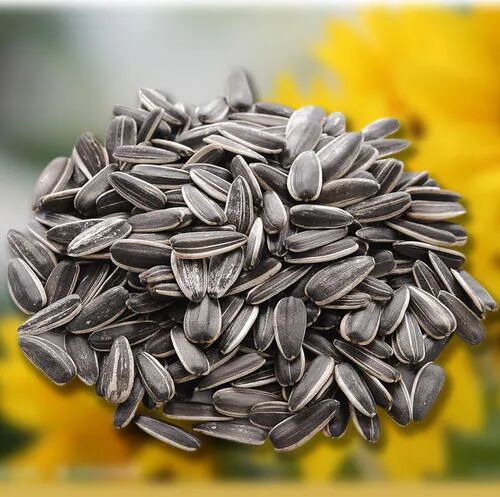
2:Nutritional value of sunflower seeds
The fat content of sunflower seeds reaches approx. 50%, and most of them are unsaturated fatty acids, and they contain no cholesterol. The linoleic acid content can reach 70%, This helps to lower blood cholesterol levels and favorably affects the health of the cardiovascular system.
Sunflower seeds are rich protein, The amount of which is comparable to various types of meat, especially valuable is the presence of arginine, necessary for sperm production.
They contain large amounts of vitamin E - Just a handful of sunflower seeds a day can satisfy the body's daily requirement for this vitamin.
In addition, sunflower seeds are rich in iron, zinc, potassium and magnesium., which contributes to the prevention of anemia and other diseases.
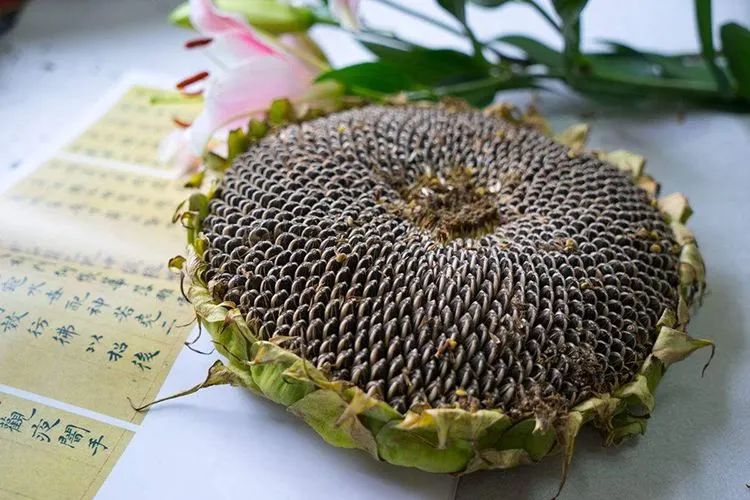
3:Therapeutic and nutritional value of sunflower seeds
Rich content iron, zinc, potassium and magnesium. makes sunflower seeds useful for anemia prevention. They are also an excellent source of vitamins B1 and E.
A daily consumption of a handful of sunflower seeds covers the body's daily requirement of vitamin E.
Sunflower seeds promote Mood stabilization, prevention of cellular aging and disease prevention in adults.
They help with insomnia, improve memory and have some preventive efficacy against cancer, hypertension and neurasthenia..
In addition to the wealth unsaturated fatty acids, sunflower seeds contain a variety of vitamins, folic acid, iron, potassium, zinc. and other substances the body needs.
Sunflower seeds are also rich in dietary fiber: 7 g of seeds contain about 1 g of fiber, which is much more than apples. Dietary fiber helps reduce the risk of colorectal cancer.
The iron content in sunflower seeds is twice as high as in raisins and peanuts, so they are effective for anemia prevention.
Sunflower seed protein contains arginine, which is necessary for sperm production. Therefore men of reproductive age Daily consumption of sunflower seeds is very beneficial to health.
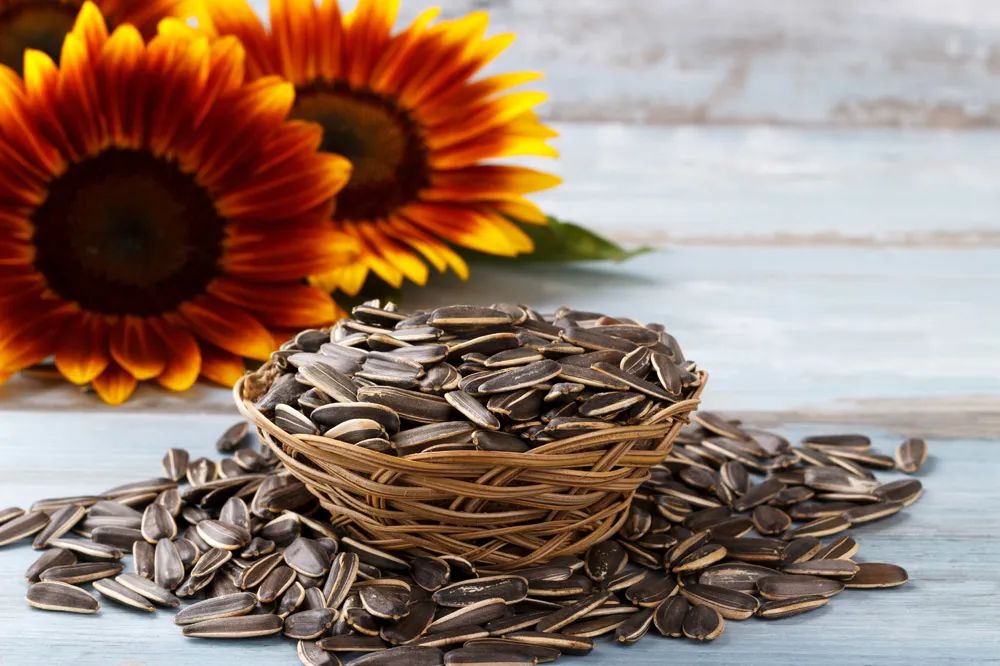
4:Ways of consuming sunflower seeds
Fresh sunflower seeds can be homebake: put them in a frying pan without oil, fry over medium heat, stirring constantly, or place them in the oven for a 10 minutes. After baking, the seeds can be lightly oiled to allow the salt to adhere to their surface.
Take it off shell by hand requires time and patience. For this purpose, the seeds can be placed in Seed press or electronic blender, The mixed mass can then be dropped into cold water: the lighter shells will float and can be removed, after which the seeds are quickly dried and dried. The mixed mass can then be dropped into cold water: the lighter shells will float and can be removed, after which the seeds can be quickly dried.
Sunflower seeds can be broil or bake for consumption, and to use whole, chopped, ground or sprouted for cooking.
Sunflower seeds have cooking. Due to their high protein content, they can be added to a variety of dishes, increasing their nutritional value. They can be added to salads, sauces, main dishes, baked goods and yogurts. special crunchy texture.
Sunflower seeds are also used for oil production. In addition, they can be sprouted and cooked, which makes food taste fresh and satisfying.
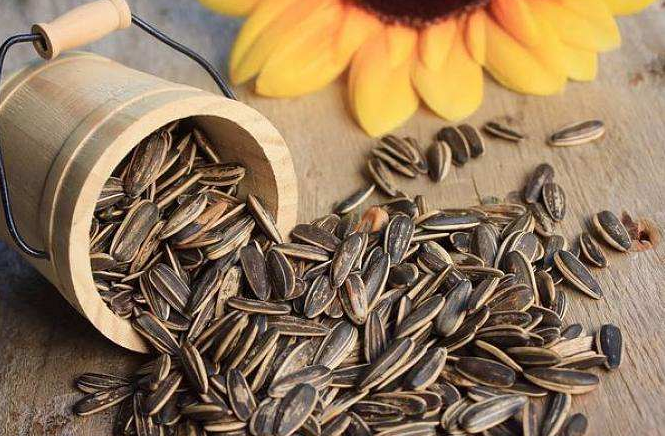
5:Contraindications to the use of sunflower seeds
Sunflower seeds it is not recommended to consume large quantities, it's better to clean them hands, and not clicking your teeth, because that could lead to cracks on the tongue and corners of the mouth.
When seeds are snapped, a large amount of saliva is lost along with the shell, which can cause the Blunted taste, decreased appetite and even stomach cramps. If you eat 250 g sunflower seeds, it loses about 2.5 liters of saliva.
Patients with hepatitis it is best to avoid snapping the seeds, as this can damage the liver and lead to cirrhosis.. The recommended dose is approx. 80 g at a time.
Excessive consumption of sunflower seeds over time can adversely affect oral and digestive health.
You shouldn't eat too many seeds at one time to avoid inflammation in the mouth and ulcers on the tongue and lips.
Previous article:
next article:
Related articles:
 Benefits and harms of sunflower seeds: effect on health, contraindications and norms of consumption
 Daily consumption of sunflower seeds - benefit and harm. Are there any consequences for the body with prolonged intake?
 Benefits of sunflower seeds: useful properties and nutritional value
Raw sunflower seeds: benefits and health properties
Benefits of sunflower seeds: useful properties and nutritional value
Raw sunflower seeds: benefits and health properties
 Who should not eat pumpkin seeds: benefits and contraindications of pumpkin seeds
 The Health Benefits of Sunflower Seeds
 What are the benefits and harms of eating raw sunflower seeds?
 Sunflower seeds: benefits for the body, vitamins and medicinal properties
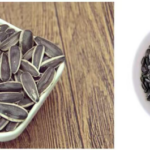 Can you eat raw sunflower seeds: benefits and properties
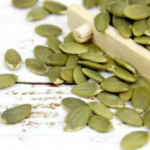 Health benefits of pumpkin seeds: properties, effect on the body and recommendations