
Recent articles
Popular Articles
The Health Benefits of Sunflower Seeds
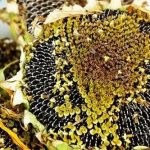
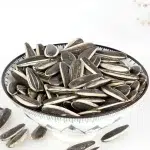
Sunflower seeds are harvested from the flower head of the sunflower plant. The seed kernel itself is enclosed in a shell with black-and-white stripes; sunflower kernels are white and have a tender texture. They are known for their distinct nutty flavor and high nutritional value. The seeds can be eaten raw, roasted, or added to various dishes.
Health Benefits
Studies link regular consumption of sunflower seeds to a variety of health benefits, including a reduced risk of hypertension, heart disease, and other health conditions. They also contain substances that strengthen the immune system and boost energy levels.
Below are the main beneficial properties of sunflower seeds:
Reduction of Inflammation
Sunflower seeds help combat acute and chronic inflammation thanks to their potent anti-inflammatory properties. They contain vitamin E, flavonoids, and other plant compounds that suppress inflammatory responses. One study showed that people who consume seeds (including sunflower seeds) five or more times a week have lower levels of inflammatory markers and a reduced risk of many chronic diseases.
Promoting Heart and Vascular Health
Sunflower seeds are rich in healthy fats—polyunsaturated and monounsaturated fats. A three-quarters-of-a-glass serving contains 14 grams of fat. Scientific studies confirm that regular consumption of seeds (including sunflower seeds) reduces the risk of developing cardiovascular disease, high cholesterol, and high blood pressure.
Immune System Support
Sunflower seeds contain a variety of vitamins and minerals that strengthen the body’s defenses and boost resistance to viral infections. Zinc and selenium are particularly important. Zinc plays a key role in immune function by promoting the formation and development of immune cells. Selenium also reduces inflammation, helps fight infections, and strengthens the body’s defenses.
Increased Energy Levels
The high protein content alone provides energy, while additional nutrients—B vitamins and selenium—help you stay energized throughout the day. Vitamin B1 (thiamine), found in the seeds, accelerates the conversion of food into energy. Selenium improves blood circulation, ensuring a more efficient supply of oxygen to all the body’s tissues.
Nutritional Information
Sunflower seeds are rich in protein and healthy fats, as well as antioxidants that reduce the risk of serious chronic diseases.
They are an excellent source of the following nutrients:
- Vitamin E
- Vitamin B1
- Vitamin B6
- Iron
- Copper
- Selenium
- Manganese
- Zinc
- Potassium
Nutritional Information Per Serving
According to data from the U.S. Department of Agriculture (USDA), a quarter cup of dry, unsalted, roasted sunflower seeds contains:
- Calories: 207
- Protein: 5.8 g
- Fat: 19 g
- Carbohydrates: 7 g
- Dietary fiber: 3.9 g
Recommended serving sizes
Despite their rich nutritional content, sunflower seeds are quite high in calories. It is recommended to limit a single serving to a quarter of a glass. Many people eat the seeds with their shells on to slow down calorie intake: it takes time to crack open each shell and spit out the husk.
Keep in mind, however, that commercially produced seed coats are often coated with salt—about 70 mg per ounce of seeds. If you’re watching your salt intake, choose unsalted varieties and strictly follow the recommended serving sizes.
Ways to Eat Sunflower Seeds
Seeds sold in stores are usually in their shells; they are eaten raw or roasted. To get to the kernel, you crack the shell with your teeth; the shell itself is not eaten.
Cleaning Instructions:
Place the shell vertically or horizontally between your molars, crack it open with your teeth, separate the kernel from the shell, then spit out the shell and eat the kernel.
Sunflower seeds are also added to a variety of dishes:
- Sprinkle on top of salads
- Add to the nut and dried fruit mix for a snack
- Mix with oatmeal
- Sprinkle on top of stewed vegetables or sautéed vegetable medleys
- Add to the vegetable patties
- Stir into the batter
- Use sunflower seed paste instead of peanut butter
- Cook with sunflower oil instead of other vegetable oils
Previous article:
next article:
Related articles:
 Benefits and harms of sunflower seeds: useful properties and contraindications for use
 Benefits of sunflower seeds: useful properties and nutritional value
Raw sunflower seeds: benefits and health properties
Benefits of sunflower seeds: useful properties and nutritional value
Raw sunflower seeds: benefits and health properties
 Sunflower seeds: benefits for the body, vitamins and medicinal properties
 Can you eat raw sunflower seeds: benefits and properties
 Health benefits of pumpkin seeds: properties, effect on the body and recommendations
 4 ways to tell if sunflower seeds are good: how to choose healthy seeds
 Sunflower seeds T6 | Tasty and healthy seeds for snacking, ideal for B2B, wholesale and retail
 Sunflower seeds in convenient packaging - fresh and healthy seeds for snacking, buy wholesale and retail
 Sunflower seeds 5009 - peeled kernels, healthy seeds, buy wholesale for customers