
Recent articles
Popular Articles
Benefits of sunflower seeds: useful properties and nutritional value
Sunflower seeds can help with depression, nervous exhaustion, insomnia, and various psychosomatic disorders, and they also help improve memory. In addition, Sunflower seeds have a certain effect for cancer, hypertension, heart disease, and iron-deficiency anemia.
Using modern cold-pressing technology, sunflower seeds are processed into a protein powder suitable for food consumption. Such protein powder has a white color, pleasant taste, high nutritional value and is easily digested by the body. It can be used to produce nutritious bread, artificial meat, sausages, canned food and other functional food products.
Seeds sunflower seeds and pumpkin seeds are rich in zinc. A zinc deficiency in the human body can lead to the rapid formation of wrinkles on the skin. Therefore, eating a few sunflower or pumpkin seeds every day helps keep the skin smooth and slows the appearance of wrinkles. In addition, vitamin E prevents cell damage caused by free radicals and helps soften and brighten the skin.
Sunflower seeds contain large amounts of fatty oils, including significant amounts of linoleic acid, as well as phospholipids and sterols such as β-sitosterol. They are also rich in proteins, carbohydrates, organic acids (citric acid, tartaric acid, chlorogenic acid), carotenoids, and other biologically active substances. Phospholipids, according to experiments on rats, have a preventive effect in hyperlipidemia and elevated cholesterol. Sunflower seed fatty oils, especially linoleic acid, are able to inhibit the formation of experimental blood clots in laboratory animals.
Application: is used in hyperlipidemia, atherosclerosis, hypertension, enterobiasis (pinworms). In folk medicine it is also used in bloody dysentery.
Uses: Peeled kernels are consumed raw, fried, used for making oil or decoctions.
Note: Roasted seeds have a warming effect, so excessive consumption is not recommended.
- The fat content of sunflower seeds reaches about 50 %, with unsaturated fat, cholesterol-free fats making up the bulk. The proportion of linoleic acid can reach 70 %, which helps to lower blood cholesterol and maintain cardiovascular health.
- The rich content of iron, zinc, potassium and magnesium helps prevent anemia; sunflower seeds are also a good source of vitamins B1 and E.
- Consuming one handful of sunflower seeds a day can cover the body's daily requirement of vitamin E.
- They help stabilize emotional state, slow down cell aging and prevent age-related diseases.
- They have the effect of improving sleep and strengthening memory, as well as a certain preventive effect in cancer, hypertension and nervous exhaustion.
- In addition to unsaturated fatty acids, sunflower seeds contain many vitamins, folic acid, iron, potassium, zinc and other essential nutrients. They are also rich in dietary fiber: every 7 g of seeds contains about 1 g of fiber, which is much higher than the dietary fiber content of apples.
Previous article:
next article:
Related articles:
 Benefits and harms of sunflower seeds: useful properties and contraindications for use
 Raw sunflower seeds: benefits and health properties
 The Health Benefits of Sunflower Seeds
 Sunflower seeds: benefits for the body, vitamins and medicinal properties
 Can you eat raw sunflower seeds: benefits and properties
 Health benefits of pumpkin seeds: properties, effect on the body and recommendations
 Daily consumption of sunflower seeds - benefit and harm. Are there any consequences for the body with prolonged intake?
 What are the benefits and effects of eating sunflower seeds?
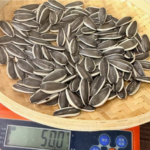 What are the benefits and harms of eating raw sunflower seeds?
 Benefits of raw sunflower seeds