
Recent articles
Popular Articles
Can sunflower seeds and pumpkin seeds be eaten together?
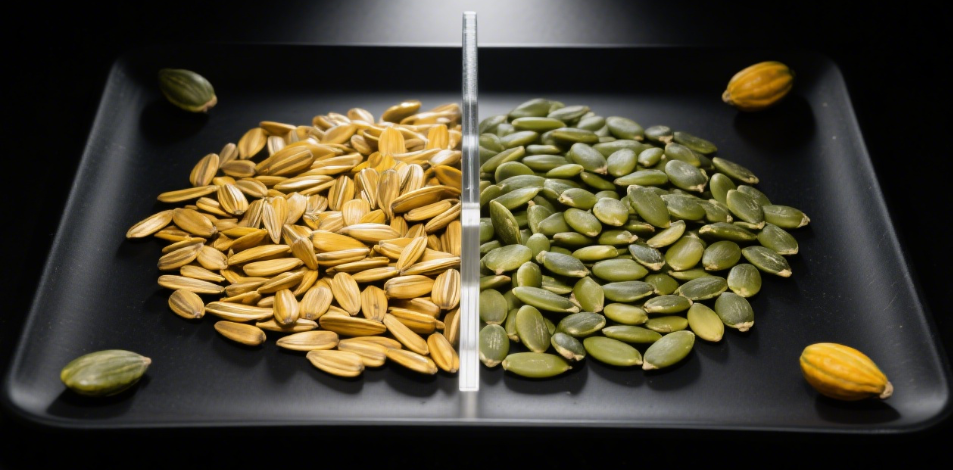
Sunflower seeds (sunflower seeds) and pumpkin seeds are common products from the group of nuts and seeds. Their composition and properties do not conflict with each other, and when properly combined, they can complement each other nutritionally. However, it is important to observe moderation. Below is a detailed breakdown:
I. Benefits of sharing
1. Mutual supplementation of nutrients
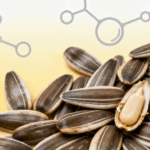
- Sunflower seeds: rich in vitamin E (antioxidant, vascular protection), unsaturated fatty acids (e.g. linoleic acid - regulates lipid metabolism), potassium (maintains electrolyte balance), dietary fiber and contain protein.
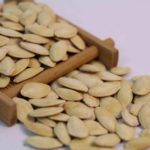
- Pumpkin seeds: contain magnesium (regulates the neuromuscular system, helps lower blood pressure), zinc (boosts immunity, protects the prostate gland), phosphorus (supports bone health), phytosterols (reduces cholesterol absorption) and have a higher protein content than sunflower seeds.
👉 When consumed together, the body receives a wide range of minerals, vitamins and healthy fats. Suitable as a snack or additional meal.
2. Taste and flavor
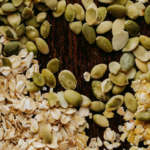
Sunflower seeds have a crunchy flavor and pumpkin seeds have a mild nutty flavor. When mixed together, they provide a richer flavor experience. They can be used for:
- in a mixture of nuts and seeds,
- in baked goods (bread, cookies),
- Add to salads or yogurt after chopping.
II. What to look out for
1. Quantity control
Both products are high in fat and calories (≈ 500-600 kcal per 100 g). In case of excessive consumption it is possible:
- GI overload (bloating, dyspepsia);
- Excess caloric intake → obesity.
👉 Recommended: no more than 30 g per day (approximately one handful).
2. Choice of processing method
Fried, salted or sweet versions (with added sugar, salt, flavorings) are often available on the market. If consumed regularly, they can increase blood pressure and sugar levels.
👉 Optimal: to choose natural, unsalted, lightly roasted seeds, or buy raw and process it yourself (dry roasting, baking).
3. special groups of people
- People with weakened digestion: there may be discomfort when overeating - better to try a little at a time.
- Allergy sufferers: if intolerant to nuts/seeds, consumption should be avoided.
- People taking medications: magnesium and zinc in pumpkin seeds may interact with antibiotics and hypotensive agents. It is advisable to consult a physician.
III. Rules for sharing
Despite the benefits, it's important to remember:
- Strict quantity controlSunflower seeds ≈ 610 kcal/100 g, pumpkin seeds ≈ 580 kcal/100 g. Daily allowance - 20-30 g.
- Only natural product without additives: avoid variants with sugar, salt, flavorings (increase the load on the body).
- Special cautions:
- Diabetics - ≤ 20 g per day to avoid glucose spikes;
- people with kidney disease - excess protein increases the load, doctor's consultation is necessary;
- hypertensives - exclude salty options to avoid raising blood pressure;
- allergy sufferers - in case of symptoms (itching, swelling, rash) completely exclude.
- Careful with the husks: the hard shell can damage the oral mucosa and cause inflammation. It is better to peel with your hands or buy peeled seeds.
IV. Bottom line
✅ Sunflower seeds and pumpkin seeds can be eaten together.
- They are mutually complementary and suitable as a healthy snack.
- It is important to observe moderation (20-30 g/day) and choose natural products without additives.
- Mixing it with other nuts, seeds or fruits makes the diet more varied and reduces the risk of overeating a single food.
Previous article:
next article:
Related articles:
 The benefits and harms of pumpkin seeds: what are the side effects and who should not eat pumpkin seeds
 How many sunflower seeds can I eat per day?
 Sunflower seeds calories, health benefits and whether you can eat pregnant women
 Can you eat raw sunflower seeds: benefits and properties
 How many pumpkin seeds can be eaten per day: norms and recommendations for consumption
 Daily consumption of sunflower seeds - benefit and harm. Are there any consequences for the body with prolonged intake?
 The top 5 health benefits of sunflower seeds and who should eat them with caution
 Sunflower seeds also have selenium.
 Health benefits of pumpkin seeds: nutrients, effects and how to eat them properly
 Who should not eat pumpkin seeds: benefits and contraindications of pumpkin seeds