
Recent articles
Popular Articles
What are the side effects of sunflower seeds?
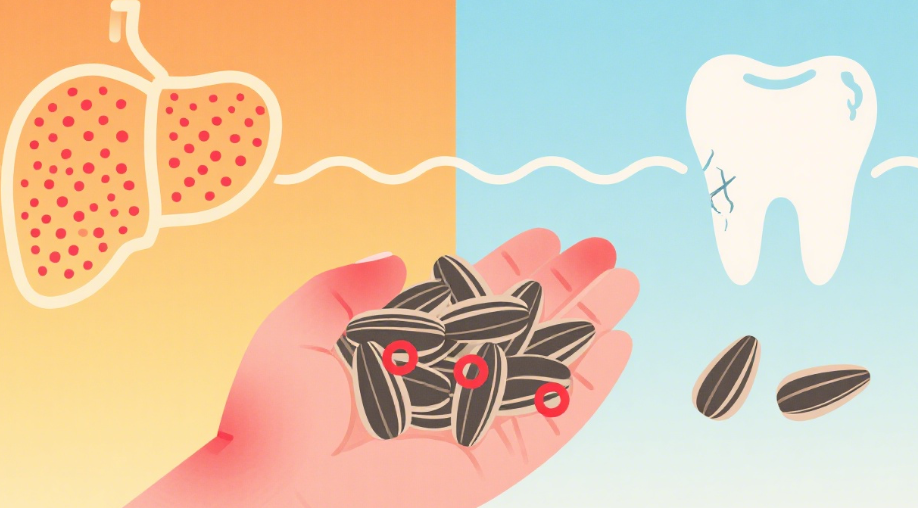
Sunflower seeds have a high nutritional value, but can cause side effects if consumed improperly or excessively. The main ones are as follows:
- High calories - risk of obesity
Sunflower seeds contain a large amount of fat (about 40 - 50 %). Prolonged and excessive consumption increases the total caloric content of the diet, which may lead to an increase in body weight. - Excessive salt intake
Many people prefer salted seeds, which are high in sodium. This can cause edema, high blood pressure and adversely affect cardiovascular health. - Dental damage
Regular «snapping» of seeds erodes tooth enamel, damages the surface of teeth, and can also cause gingivitis or loose teeth. - Digestive problems
Sunflower seeds are rich in fiber and fats. An excess of them can lead to indigestion, bloating, diarrhea.. - Risk of aflatoxin contamination
If not stored properly, seeds can be affected by mold fungi of the genus Aspergillus, that produce aflatoxins - liver-damaging toxins. - Excessive intake of micronutrients
Seeds contain a lot of phosphorus, magnesium, selenium and other elements. Long-term excessive consumption may lead to the development of electrolyte imbalance or kidney strain. - Lipid metabolism disorders
Because of their high fat content, frequent consumption of sunflower seeds can lead to a increase in blood lipids, which increases the risk of hyperlipidemia.
✅ Recommended consumption rate:
It is advisable for adults to consume no more than 30 grams (approximately one small handful) per day. It's best to choose unsalted, unflavored and unspiced sunflower seeds.
Previous article:
next article:
Related articles:
 The benefits and harms of pumpkin seeds: what are the side effects and who should not eat pumpkin seeds
 Health benefits of pumpkin seeds: nutrients, effects and how to eat them properly
 Daily consumption of sunflower seeds - benefit and harm. Are there any consequences for the body with prolonged intake?
 What are the benefits and effects of eating sunflower seeds?
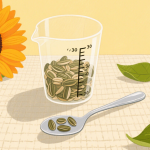 How many sunflower seeds can I eat per day?
 Benefits and harms of sunflower seeds: useful properties and contraindications for use
 12 health benefits of sunflower seeds: are sunflower seeds good for your health?
 Benefits of sunflower seeds: useful properties and nutritional value
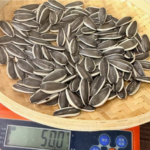 What are the benefits and harms of eating raw sunflower seeds?
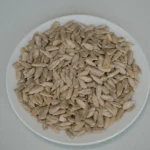 How to choose a reliable Chinese raw sunflower seed producer? We recommend Bayi Trade