
Recent articles
Popular Articles
Wholesale raw sunflower seeds from China
Raw Sunflower Seeds: Benefits and Risks, How to Eat Them, and How Much to Eat Per Day
Recently, customers have come into our store several times and asked: What’s the real difference between raw sunflower seeds and roasted ones? To be honest, I used to think the only difference was whether they were roasted or not. But when I started looking into this more closely and tried different ways of eating them, it turned out there really are quite a few differences.
Today I want to talk in detail about the benefits of raw sunflower seeds, who they’re good for, who should be careful when eating them, and how we usually eat them at home.
What Are the Health Benefits of Raw Sunflower Seeds?
Raw sunflower seeds are not subjected to intense heat treatment, so their nutritional content and natural flavor are preserved to a greater extent. They contain plant protein, dietary fiber, vitamin E, magnesium, and unsaturated fatty acids.
Key Features:
For the skin: Vitamin E and unsaturated fatty acids help maintain healthy skin.
To support the cardiovascular system: The seeds contain unsaturated fatty acids, which are part of a balanced diet.
For digestion: Seeds contain dietary fiber, which helps ensure an adequate amount of fiber in your diet.
Nutritional Value: Raw sunflower seeds contain protein, fats, minerals, and other nutrients.
Therefore, raw seeds can be a good addition to a varied diet. However, they should not be viewed as a medicine or a treatment for any diseases.
Who Can Eat Raw Sunflower Seeds, and Who Should Be More Careful
Who Can Include Them in Their Diet
Raw sunflower seeds might work:
- people who want to add variety to their diet;
- for those looking for a natural source of plant-based protein and dietary fiber;
- people who like seeds and nuts as a small snack;
- for children—but only in an appropriate form and under adult supervision, to avoid the risk of choking.
Who Should Use Them with Caution
There are situations when it's best to limit the number of seeds:
- People with an allergy to sunflower seeds should not consume them;
- If you have kidney disease, you should consult your doctor about your diet, as the mineral content of certain seeds may be a factor;
- Those who are monitoring their calorie intake should keep in mind that these seeds are quite high in calories;
- If you have digestive problems or diarrhea, it is not recommended to consume large amounts of seeds.
If you have any chronic health conditions or specific dietary restrictions, it’s best to consult a specialist before regularly consuming these seeds.
How We Eat Raw Sunflower Seeds at Home
Raw sunflower seeds can be eaten as is, but at home we use them in other ways, too. Here are a few ideas.
1. Add to a porridge made from various grains
One of our favorite options is to make porridge using several different types of grains.
You can use millet, red rice, black rice, brown rice, or rolled oats—in short, whatever you have at home. Then add a small handful of raw sunflower seeds, cover with water, and cook until tender.
The result is a fragrant and nutritious porridge with a subtle nutty flavor. It's especially nice to eat this porridge in the morning.
2. Add it to bread and homemade baked goods
When baking homemade bread, flatbreads, or rolls, you can sprinkle raw sunflower seeds on top.
You can press them down gently with your hands so they stick better to the surface.
After baking, a pleasant aroma of grains and seeds fills the air, and the kernels themselves become crispy.
3. Add to soy milk or regular milk
When making homemade soy milk, you can add a small amount of raw sunflower seeds along with the soybeans.
This helps enhance the flavor and adds the nutrients from the seeds to the drink.
It's best to use a moderate amount of seeds so the flavor doesn't become too rich.
4. Add to the yogurt
For breakfast, you can add a small handful of raw sunflower seeds to plain yogurt, and then top it with some fresh fruit or berries.
The result is a simple breakfast option with a delightful combination of creamy yogurt, fruit, and crunchy seeds.
5. Sprinkle the finished vegetable dishes
Raw sunflower seeds can be added to prepared vegetable dishes.
For example, you can add a small amount of seeds to celery, lilies, fresh vegetables, or other light side dishes right before serving.
This gives the dish a more interesting texture and a subtle nutty flavor.
What about roasted sunflower seeds?
After being heat-treated, roasted seeds develop a distinctive aroma and a more pronounced flavor.
At our house, we sometimes eat roasted seeds, too.
Roasted Sunflower Seeds with Yogurt
If you take some roasted seeds that aren't too salty and add them to plain yogurt, you'll get a very flavorful and crunchy topping.
For this option, it's best to choose seeds without added salt or flavorings.
Roasted seeds with porridge
You can make hot porridge from rice or other grains and top it with a small handful of toasted seeds.
The soft porridge and crunchy seeds create an interesting combination of textures.
However, it's important to remember: you shouldn't eat roasted seeds—especially those with a lot of salt—in large quantities.
How many seeds can you eat in a day?
Sunflower seeds are quite high in calories, so even a healthy food like this should be eaten in moderation.
For most people, a good guideline is a small handful per day—roughly the amount that fits in the palm of your hand. The exact amount depends on your overall diet, energy needs, and individual characteristics.
You shouldn't eat sunflower seeds without moderation just because they're a natural product. Too many calories in your diet can lead to weight gain.
What is the best way to store raw sunflower seeds?
After purchasing raw sunflower seeds, it is best to store them properly, as the oils they contain can oxidize.
Recommended:
- Store the seeds in a tightly sealed container;
- Keep them in a dry, cool place;
- protect from direct sunlight;
- During the hot season, store in the refrigerator;
- Do not leave the package open for an extended period of time.
If the seeds have developed an unpleasant rancid odor, a bitter taste, or other signs of spoilage, they should not be consumed.
Raw or roasted seeds—which should you choose?
It is impossible to say definitively that one option is better than the other.
Raw sunflower seeds They are suitable for those who want to use them in porridge, yogurt, baked goods, and other dishes, or to process them further on their own.
Roasted seeds They have a richer flavor and a crispy texture, and make a great ready-to-eat snack.
The most important thing is to choose a high-quality product, follow the storage instructions, and not consume too much.
If you want to Buy raw sunflower seeds in bulk, choose products with a clear origin, quality control, and appropriate packaging and storage conditions.
Previous article:
next article:
Related articles:
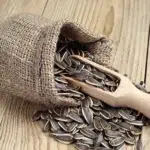 Wholesale raw sunflower seeds from China
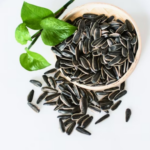 Best Seller! Premium raw sunflower seeds 361 from China
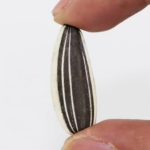 Large raw sunflower seeds 601 from China
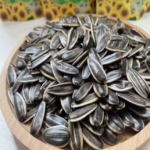 Large raw sunflower seeds 363, 361, 601 of 2025 harvest from China
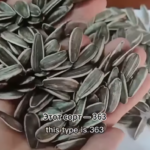 Large raw sunflower seeds 601 from China
 Buy sunflower seeds wholesale from China - price from manufacturer 2026
 Buy wholesale shelled sunflower seeds directly from a manufacturer in China
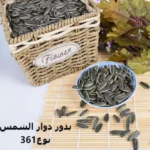 Raw sunflower seeds: benefits and health properties
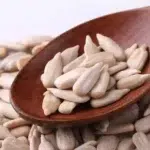 Sunflower seeds high quality - raw kernels, wholesale, popular on Amazon
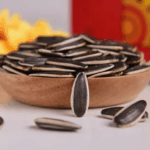 Large high quality black sunflower seeds Xinjiang 361, wholesale from China